11 Ancient Egypt Facts That Still Puzzle Historians
August 28, 2026 · HistoryBytes Team
Ancient Egypt has fascinated the world for over 200 years — and even now, new discoveries keep overturning what we thought we knew. From forgotten legal rights to medical texts thousands of years ahead of their time, here are 11 facts that go beyond the pyramids and pharaohs.
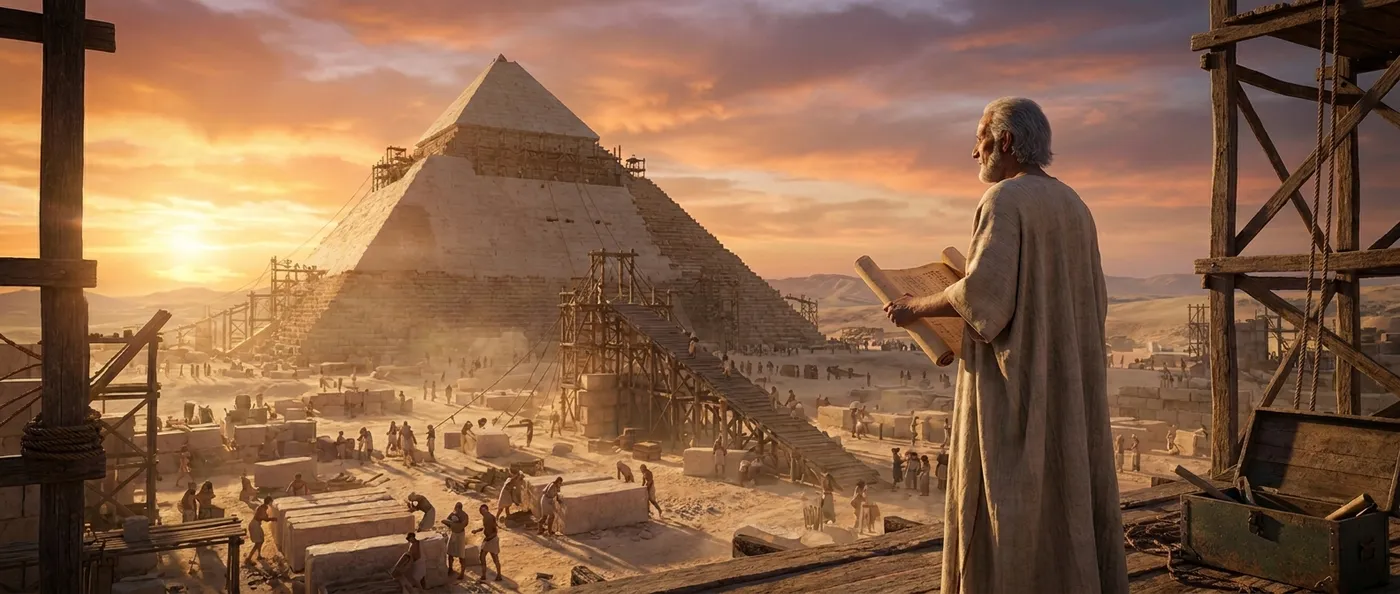
1. The pyramid builders were paid laborers, not slaves.
Archaeological finds near Giza — including worker villages, medical facilities, and evidence of bread and beer rations — support the theory that pyramid construction relied on organized, compensated labor, not forced slavery as popular myth long suggested.
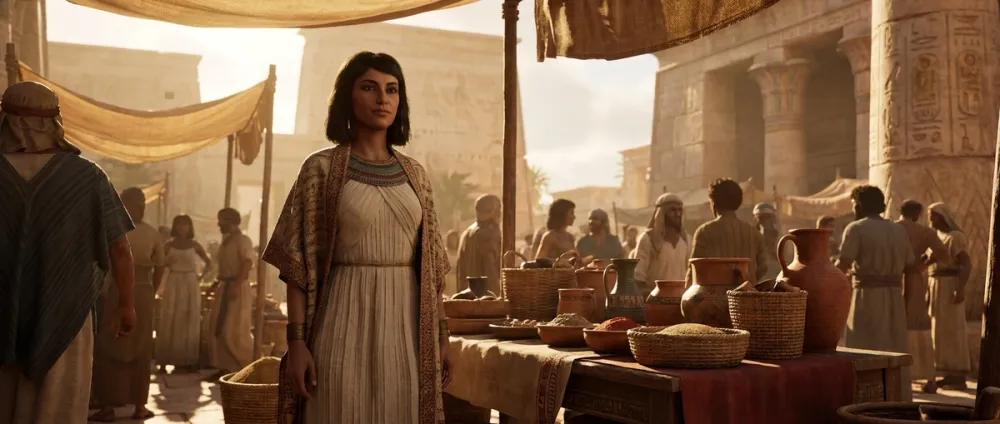
2. Ancient Egyptian women had significant legal rights.
Women in Ancient Egypt could own property, run businesses, initiate divorce, and appear in court on their own behalf — legal standing that was far from guaranteed for women in many later societies.
3. Cats were considered sacred — and harming one could be a capital offense.
Cats were associated with the goddess Bastet. Ancient sources describe severe punishment, including death, for killing a cat, even accidentally, and archaeologists have found vast numbers of mummified cats in temple sites.
4. The Great Sphinx's missing nose predates Napoleon by centuries.
Napoleon's soldiers are often blamed for shooting off the Sphinx's nose, but sketches from decades before his 1798 Egyptian campaign already show the damage — the real cause remains unclear, though erosion and deliberate vandalism are both suspected.
5. Ancient Egyptian surgeons performed complex medical procedures.
The Edwin Smith Papyrus, dated to around 1600 BCE, describes surgical techniques, wound treatment, and detailed anatomical observations — remarkably systematic for its time, and among the oldest known medical texts in the world.
This is HistoryBytes.
Short lessons, real duels, and immersive visuals from a world of history — download it now.
6. Egyptian hieroglyphics couldn't be read for over a thousand years — until one stone changed everything.
The meaning of hieroglyphics was lost for centuries until the discovery of the Rosetta Stone in 1799, which contained the same text in three scripts, finally providing the key to translation.
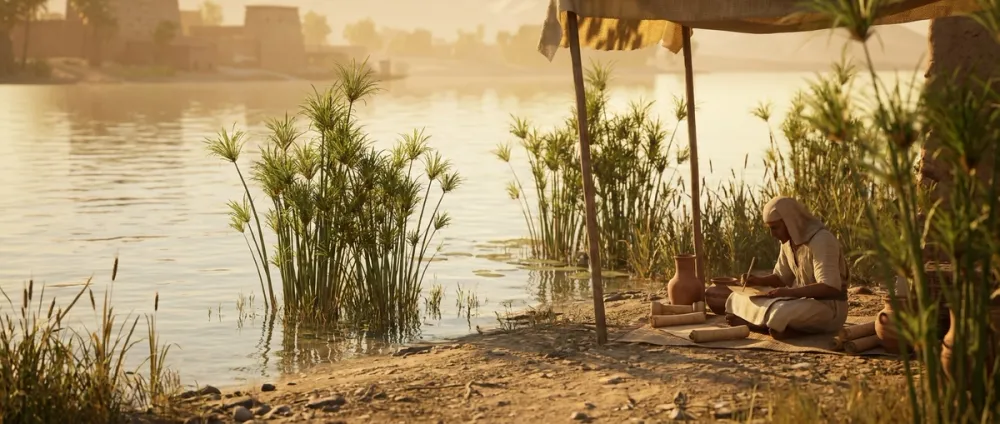
7. Papyrus, one of the world's first paper-like writing materials, was a major Egyptian export.
Made from the papyrus plant that grew along the Nile, this material was traded across the ancient Mediterranean and gave English the word "paper" itself.
8. Egyptian eye makeup wasn't just for looks — it may have helped fight infection.
Both men and women commonly wore kohl eyeliner. Some researchers believe the lead-based compounds used may have had antibacterial properties, offering protection against eye infections common along the Nile.
9. Tutankhamun's tomb was one of the only near-intact royal tombs ever discovered.
When Howard Carter opened the tomb in 1922, its treasures were almost entirely undisturbed — a rare exception, since most other pharaohs' tombs had been looted centuries or even millennia earlier.
10. Ancient Egyptians played one of the earliest known board games.
Senet, played on a grid of 30 squares, dates back over 5,000 years and was so significant that game boards were sometimes placed in tombs to accompany the deceased into the afterlife.
11. The Egyptian calendar was remarkably accurate — and influenced the one we use today.
Ancient Egyptians developed a 365-day calendar based on the flooding cycle of the Nile, a system that would later influence the Julian and, eventually, the modern Gregorian calendar.
Egypt's Full Story Goes Far Beyond the Pyramids
These 11 facts are just a glimpse. From forgotten legal rights to medical breakthroughs thousands of years ahead of their time, Ancient Egypt holds far more depth than the postcard image of pyramids and pharaohs.