11 Viking History Facts That Debunk Popular Myths
August 30, 2026 · HistoryBytes Team
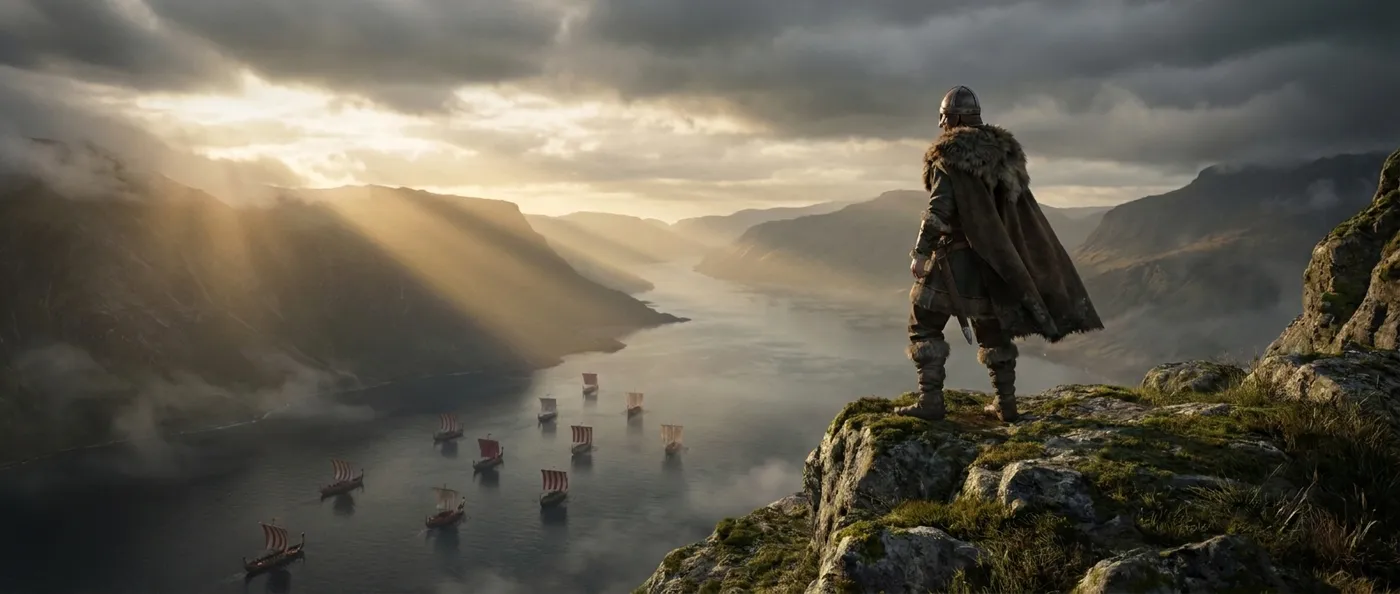
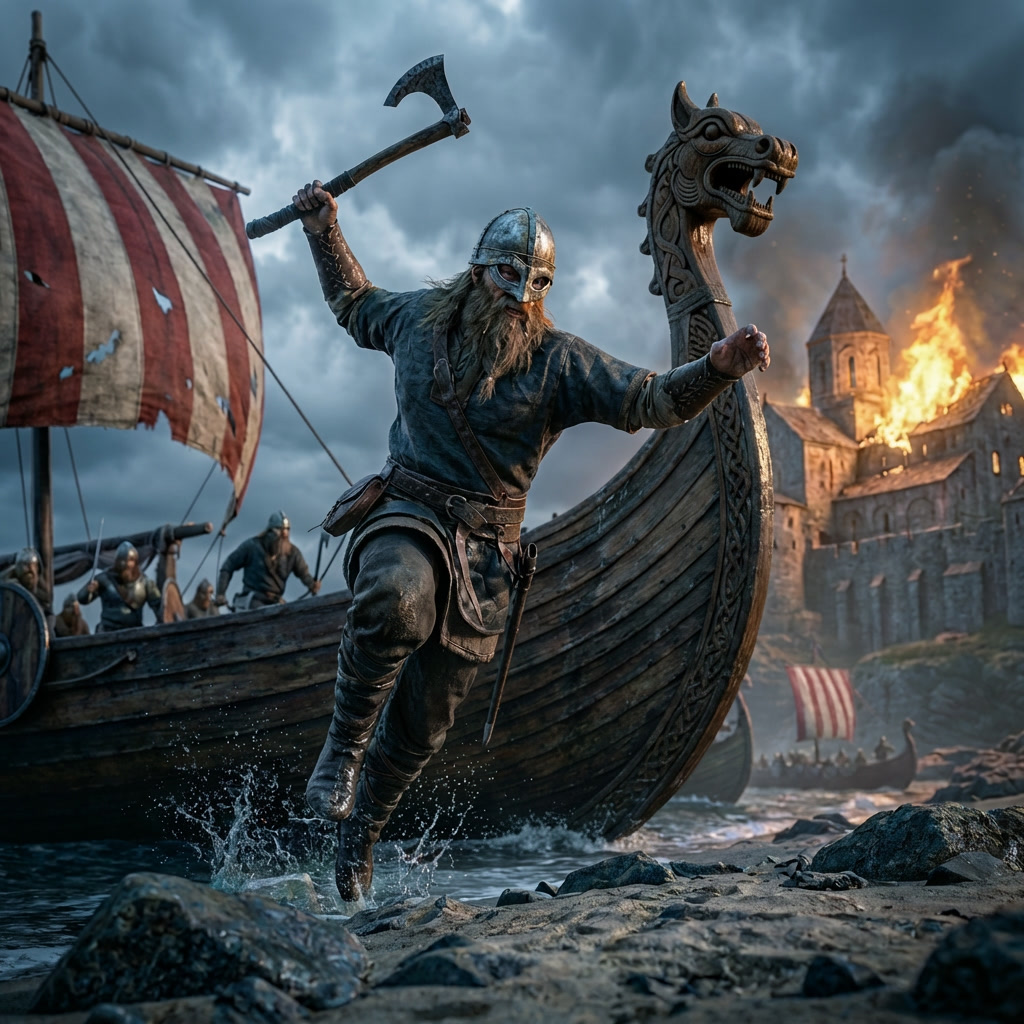
Forget the horned helmets and mindless raiding — the real Vikings were skilled navigators, surprisingly clean, and reached farther across the world than most people realize. Here are 11 facts that go far beyond the popular image.
1. Vikings were remarkably clean — cleaner than most of medieval Europe.
Archaeologists have found combs, tweezers, razors, and ear-cleaning tools in Viking graves. Regular bathing, particularly on Saturdays, was such a common practice that the Old Norse word for Saturday, laugardagr, literally means "washing day."
2. Vikings reached North America almost 500 years before Columbus.
Archaeological evidence at L'Anse aux Meadows in Newfoundland confirms a Norse settlement dating to around 1000 CE — making Leif Erikson's voyage centuries earlier than Columbus's arrival in the Caribbean.
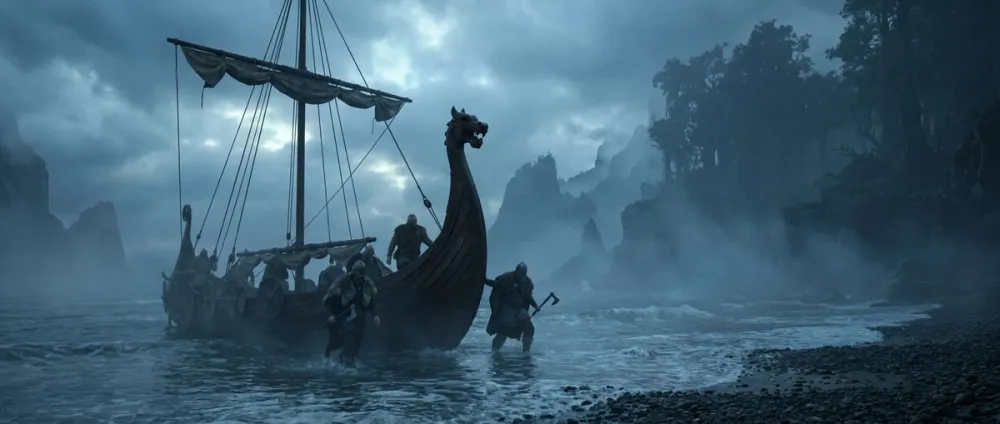
3. Viking sailors may have navigated using a mysterious "sunstone."
Norse sagas mention a sólarsteinn used to locate the sun on overcast days. Modern research suggests certain crystals, like Iceland spar, can reveal the sun's position through polarized light — even when it's hidden behind clouds.
4. Viking women had legal rights unusually advanced for their era.
Norse women could own property, run farms and businesses independently, and request a divorce — rights that were far from guaranteed for women elsewhere in medieval Europe.
5. The word "berserker" comes from Viking warriors who fought in a trance-like fury.
Ancient sources describe berserkers entering a wild, frenzied combat state — the term likely derives from Old Norse for "bear-shirt," tied to warriors who may have worn bear pelts into battle.
This is HistoryBytes.
Short lessons, real duels, and immersive visuals from a world of history — download it now.
6. Vikings held structured legal assemblies called the "Thing."
Long before modern parliaments, Norse communities gathered at open-air assemblies called þing to settle disputes, pass laws, and make major decisions — an early form of collective governance.
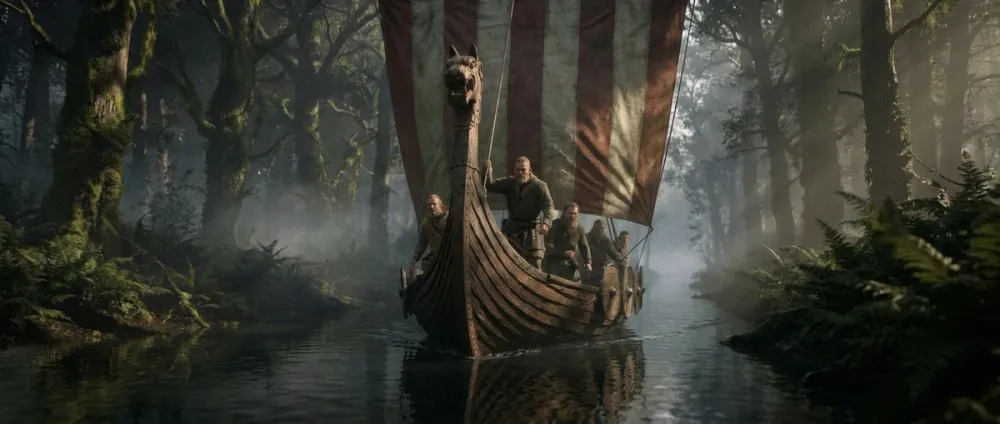
7. Viking longships could sail in water less than a meter deep.
Their famously shallow draft let Viking ships navigate open ocean and shallow rivers alike, allowing raids and trade expeditions far inland, not just along coastlines.
8. Viking trade routes stretched as far as Baghdad.
Using Russian river systems, Norse traders reached the Byzantine Empire and the Abbasid Caliphate, exchanging furs and amber for silver, silk, and spices — Viking-era coins from Baghdad have been found as far away as Scandinavia.
9. Most Vikings were farmers, not full-time warriors.
Raiding was often a seasonal activity. For much of the year, the average Norse person worked the land, raised livestock, or traded — the "warrior" identity applied to a smaller portion of Viking society than popular culture suggests.
10. Important Vikings were sometimes buried inside actual ships.
Ship burials, like the famous Oseberg and Gokstad finds in Norway, placed the deceased inside a full longship along with weapons, tools, and treasured belongings — a send-off believed to prepare them for the afterlife.
11. Vikings played competitive board games.
Hnefatafl, meaning "king's table," was a popular Norse strategy game played on a grid board, with one player defending a king piece and the other attempting to capture it — a distant cousin of modern strategy games like chess.
The Vikings Were Explorers Long Before They Were Legends
These 11 facts only scratch the surface of a culture far more sophisticated than "horned helmets and raiding" ever suggested. From reaching North America centuries before Columbus to running structured legal assemblies, the real Viking Age is stranger and more impressive than the myth.