18 Interesting History Facts That Sound Made Up (But Aren't)
September 03, 2026 · HistoryBytes Team
History has a reputation for being dry. Dates, names, dusty textbooks. But the truth is, real history is often stranger, funnier, and more surprising than anything fiction could invent. Here are 18 facts that sound like they belong in a movie script — except they actually happened.
1. Ancient Romans used urine as mouthwash.
Urine contains ammonia, which the Romans discovered was surprisingly effective at whitening teeth. Portuguese urine was reportedly considered the strongest — and was imported for the purpose.
2. During WWII, the U.S. developed a real plan to use bats as bombs.
"Project X-Ray" attached small incendiary devices to bats, intended to be released over Japanese cities. It was scrapped after a costly accident destroyed a test facility.
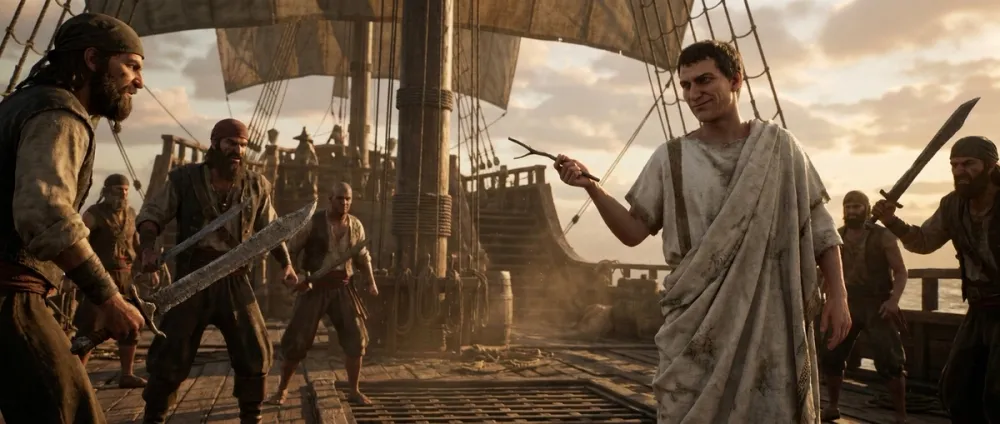
3. Julius Caesar was once kidnapped by pirates — and joked he'd have them executed.
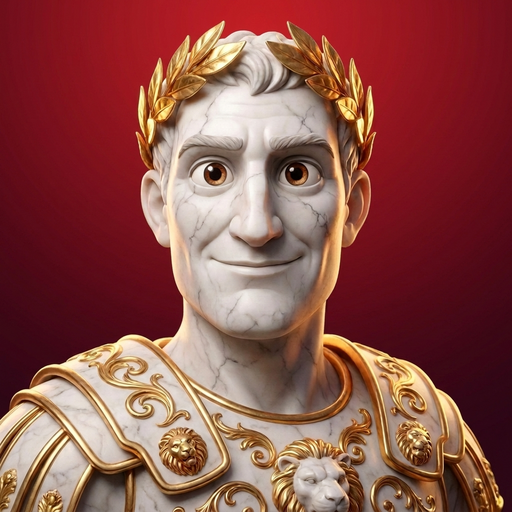
As a young man, Caesar was captured and held for ransom. He reportedly told his captors he'd return and crucify them once freed. He did exactly that.
4. Vikings likely never wore horned helmets.
No archaeological evidence supports the image. The horned-helmet look was popularized by 19th-century opera costume design — centuries after the Viking Age ended.
5. Napoleon was once attacked by a horde of rabbits.
During a staged rabbit hunt meant to impress him, the rabbits — bred in huge numbers for the event — charged Napoleon's group instead of fleeing.
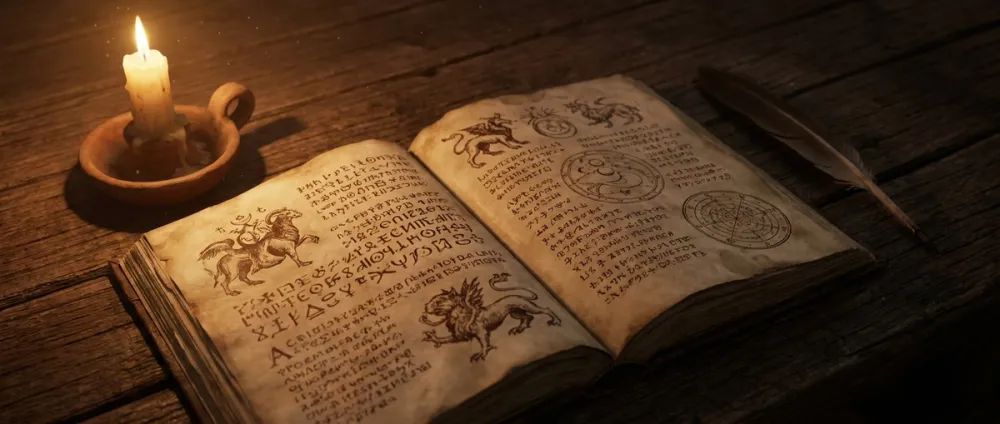
6. The Voynich Manuscript remains undeciphered to this day.
This centuries-old handwritten book, filled with unknown script and bizarre illustrations, has resisted every attempt at translation — including by modern codebreakers.
7. Medieval knights' armor was lighter than most modern soldiers' combat gear.
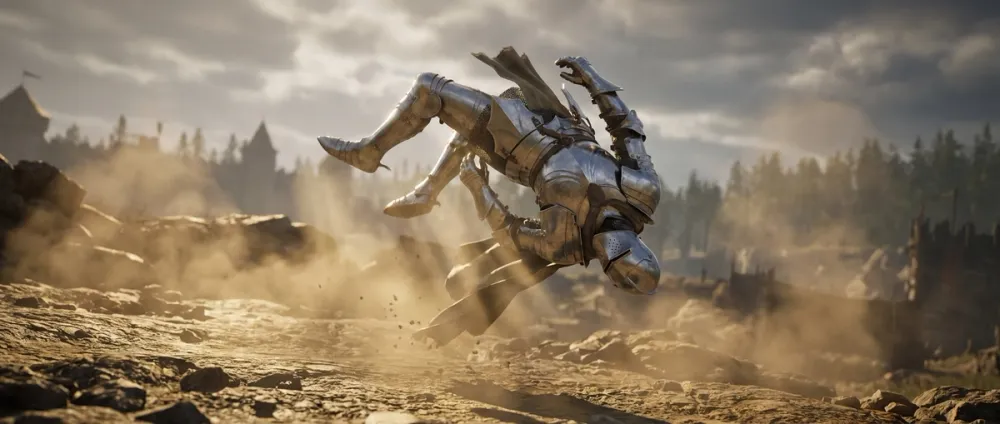
A full suit of plate armor typically weighed 20–25 kg, evenly distributed across the body. Knights could run, climb, and even do somersaults in it.
8. Ancient Egyptians used moldy bread as an early antibiotic.
Long before penicillin was discovered, Egyptian medical texts describe applying moldy bread to wounds — likely because certain molds do have antibacterial properties.
9. The shortest war in recorded history lasted about 38 minutes.
The Anglo-Zanzibar War of 1896 ended in well under an hour after British forces overwhelmed the Sultan's palace.
Discover HistoryBytes now
Enjoying this? HistoryBytes turns stories exactly like these into short, addictive daily lessons — with an interactive map, collectible cards, and six historical eras to explore. Season 1 is completely free.
10. Some medieval towns held trials for animals.
Pigs, rats, and even insects were formally put on trial for crimes — complete with defense lawyers — in parts of medieval Europe.
11. Isaac Newton once served as a witch-hunting detective for the Royal Mint.
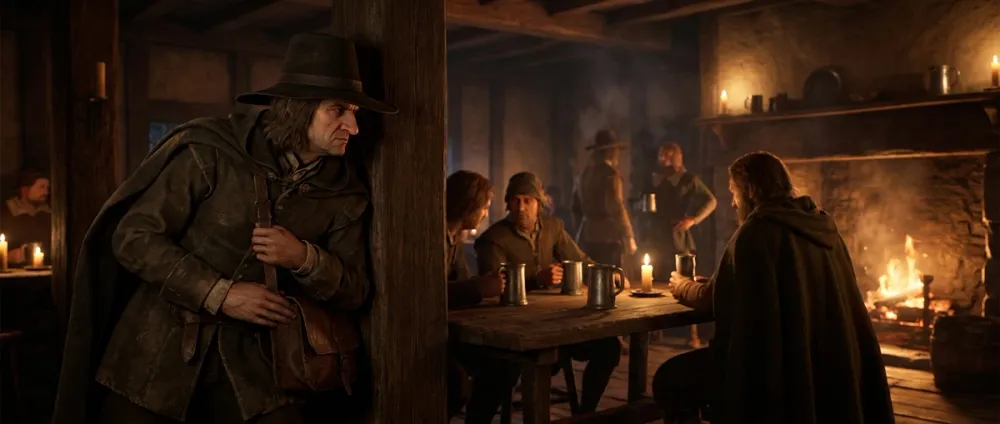
As Warden of the Royal Mint, Newton personally investigated and prosecuted counterfeiters, going undercover in taverns to gather evidence.
12. Roman soldiers were sometimes paid in salt.
This is where the word "salary" comes from — Latin salarium, tied to sal (salt).
13. The Antikythera mechanism was an ancient Greek "computer" 2,000 years ahead of its time.
This bronze device could predict astronomical positions and eclipses with startling accuracy — nothing comparably complex was built again for over a thousand years.
14. Marie Antoinette never actually said "let them eat cake."
The phrase predates her by decades and was likely misattributed. No historical record confirms she ever said it.
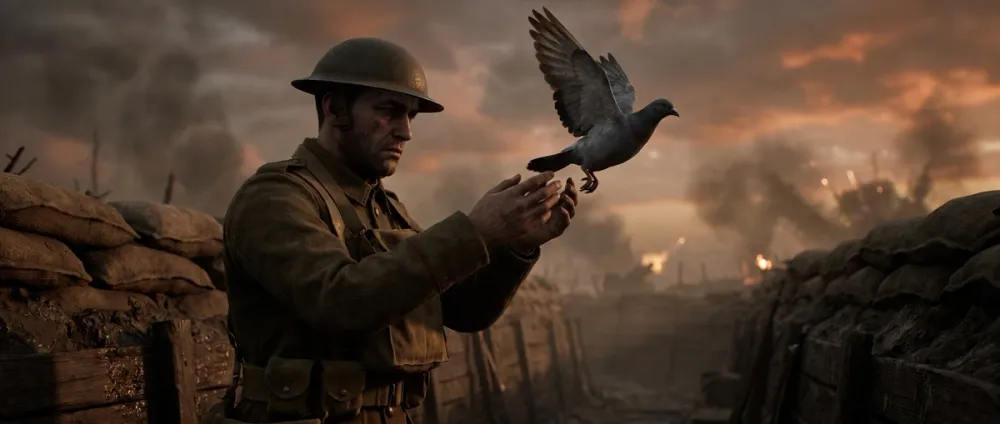
15. WWI soldiers used carrier pigeons to save thousands of lives.
One pigeon, Cher Ami, delivered a message that saved nearly 200 trapped American soldiers — despite being shot through the chest mid-flight.
16. Napoleon was not actually short.
At roughly 1.68–1.70 m, he was about average height for a Frenchman of his era. The "short" myth likely came from British wartime propaganda.
17. The ancient Greeks invented the world's first known vending machine.
Hero of Alexandria designed a coin-operated device that dispensed holy water in temples.
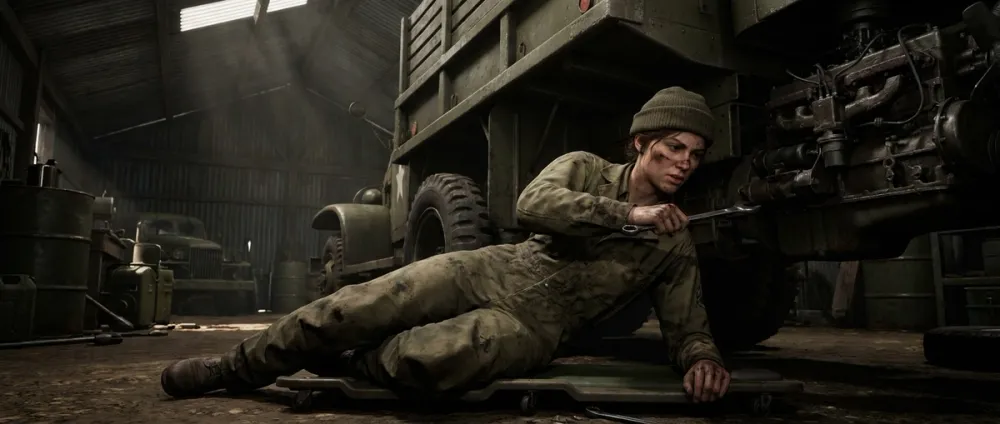
18. Queen Elizabeth II was technically trained as a mechanic.
During WWII, the then-Princess Elizabeth served in the Auxiliary Territorial Service, training as a driver and mechanic.
History Is Full of Surprises — And This Is Just the Beginning
These 18 facts barely scratch the surface. From the fall of empires to the small, strange details of daily life centuries ago, history is packed with stories more interesting than fiction.
Discover HistoryBytes now
If you enjoyed this, HistoryBytes turns exactly this kind of content into short, addictive daily lessons — with an interactive map, collectible cards, and six historical eras to explore. Season 1 is completely free.