Akhenaten: The Heretic Pharaoh Egypt Tried to Erase
September 02, 2026 · HistoryBytes Team
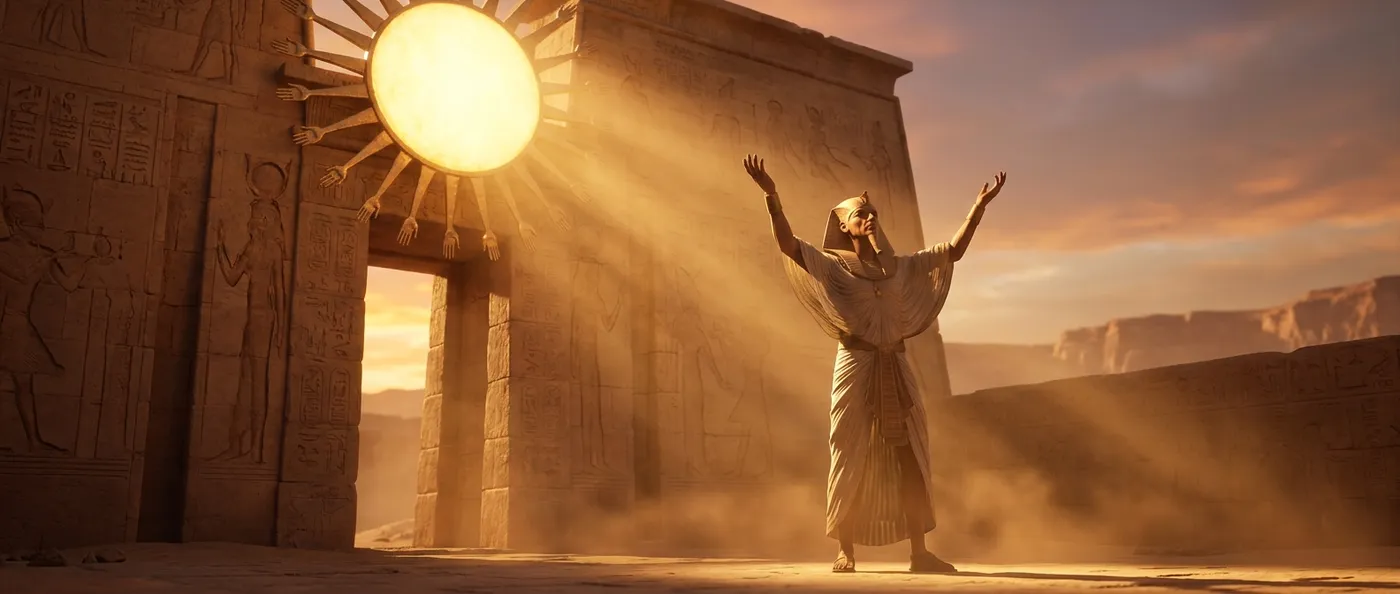
For over 3,000 years, one Egyptian pharaoh's name was deliberately left off every official record, every king list, every temple wall. His monuments were torn down, his image chiseled out of stone, and his own son never mentioned him once during his reign. It worked — for millennia, almost nobody knew he had existed at all. Then, in the late 19th century, archaeologists started digging in the desert, and Akhenaten came back.
Who Was Akhenaten, and What Made Him a "Heretic"?
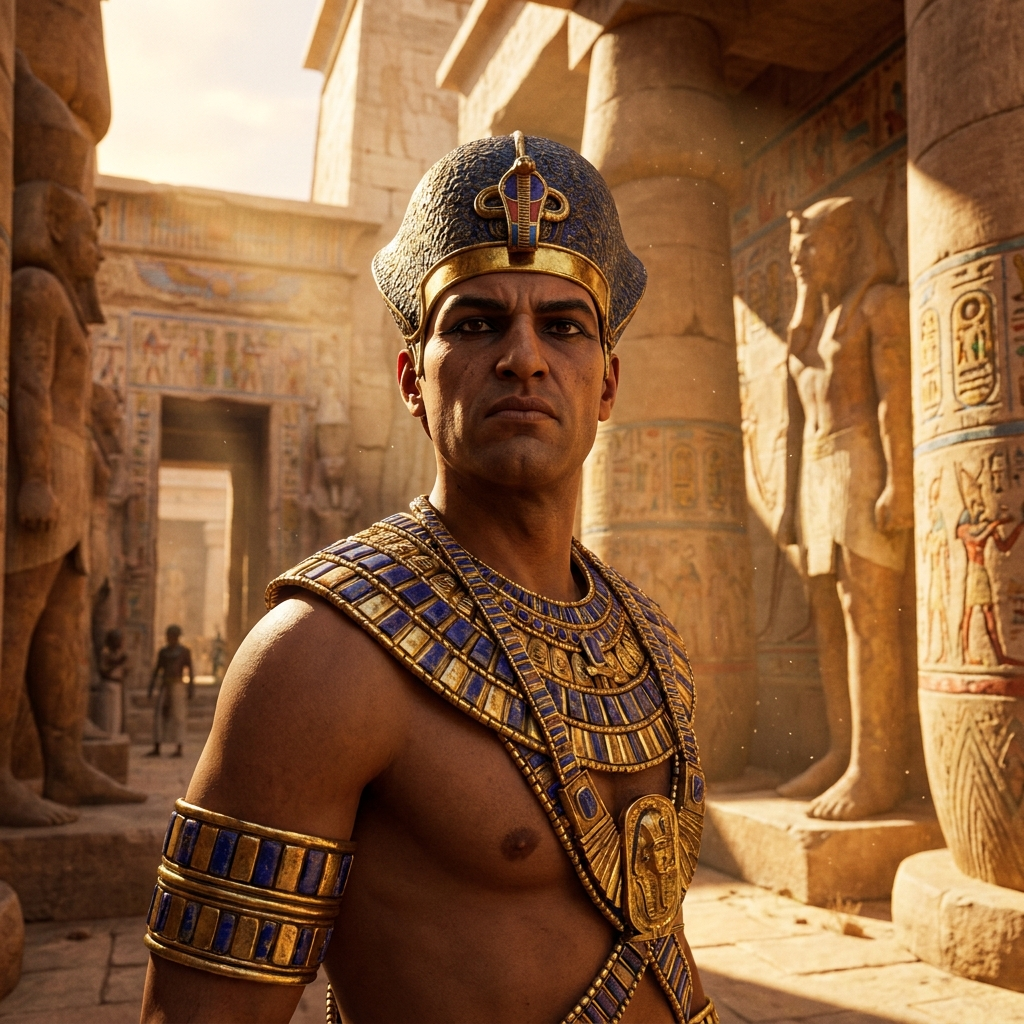
Akhenaten came to the throne around 1353 BCE under his birth name, Amenhotep IV. A few years in, he did something no pharaoh before him had attempted: he declared that Egypt's traditional gods — Amun, Osiris, Isis, and the rest of a pantheon worshipped for over a thousand years — should be set aside in favor of a single deity, the Aten, represented as the sun disc itself.
He changed his own name to "Akhenaten" ("effective for the Aten"), abandoned Egypt's traditional capital, and built an entirely new city in the desert — Akhetaten, now known as Amarna — dedicated to his new religion. To the powerful priesthood of Amun, whose wealth and influence he'd just gutted, this wasn't reform. It was heresy.
Was He Really Erased From History?
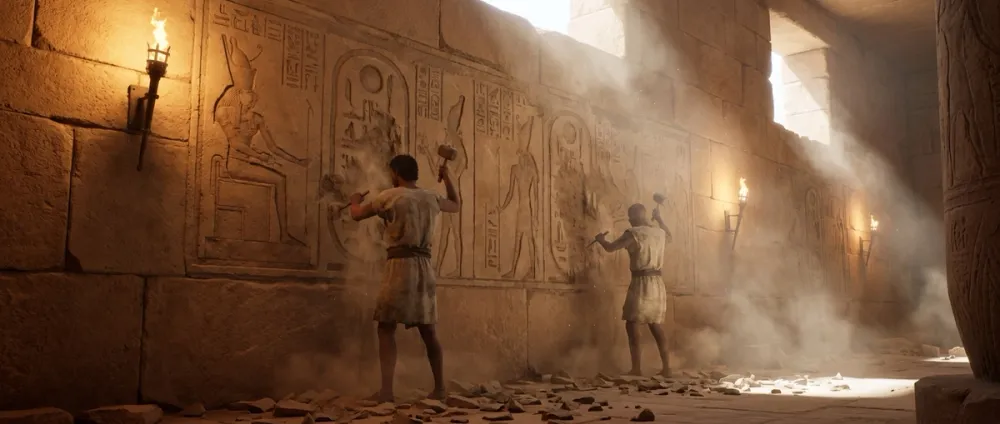
Almost immediately after his death, Egypt reversed course. His son abandoned Amarna, restored the old gods, and changed his own name from "Tutankhaten" to "Tutankhamun" to distance himself from his father's religion. Later pharaohs went further, ordering Akhenaten's name and image physically chiseled off monuments and excluding him entirely from official king lists.
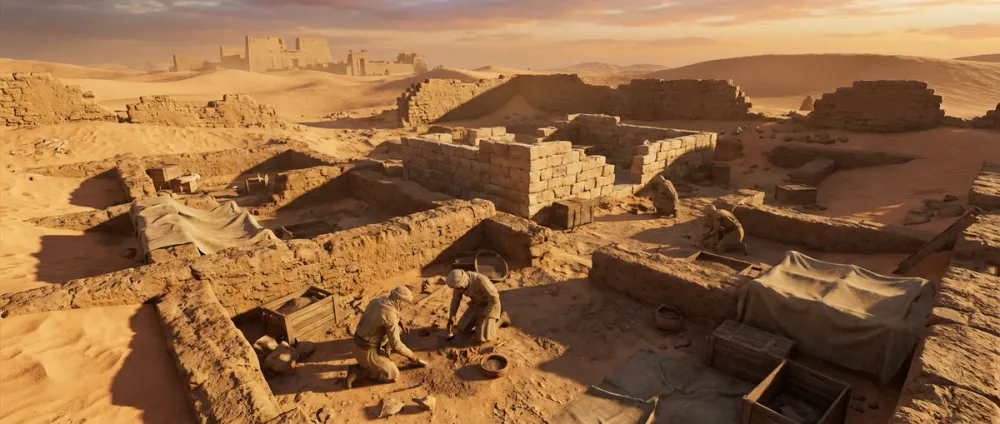
This wasn't neglect — it was a deliberate act the Egyptians called damnatio memoriae, "condemnation of memory," meant to erase someone from existence itself, since Egyptians believed a name had to survive for a soul to endure in the afterlife. It worked disturbingly well: Akhenaten remained essentially unknown until 19th and 20th century archaeologists began excavating Amarna and piecing his reign back together from the fragments that survived.
Was Akhenaten Actually Deformed?
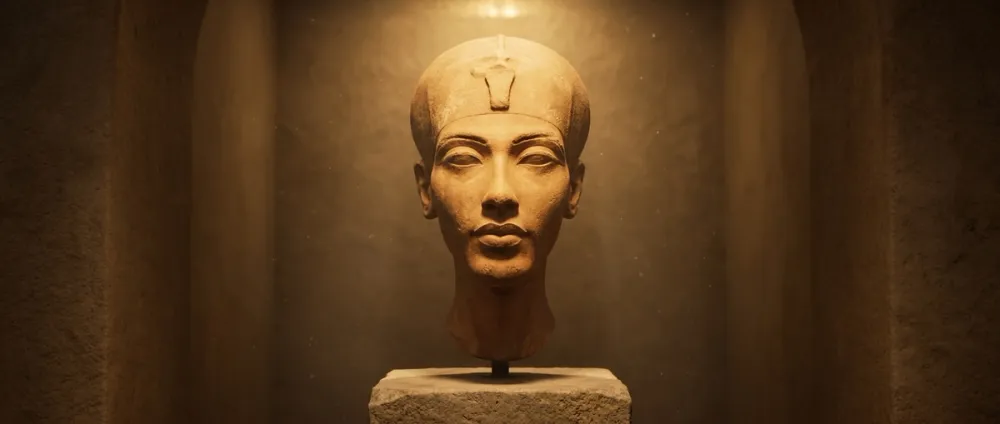
Statues and reliefs of Akhenaten show him with an elongated skull, a long thin face, wide hips, and a soft, rounded belly — strikingly different from the idealized, athletic pharaohs of earlier Egyptian art. For decades, this fueled theories that he suffered from a genetic disorder such as Marfan syndrome.
Most Egyptologists today lean toward a different explanation: this was a deliberate religious art style, not a medical record. The distinctive "Amarna style" applied similar exaggerated proportions to Akhenaten's wife, children, and courtiers too — a stylistic choice tied to his new religion's symbolism, not documentary evidence about anyone's actual body. The debate isn't fully settled, but the art-style explanation is the leading one.
This is HistoryBytes.
Short lessons, real duels, and immersive visuals from a world of history — download it now.
What Happened to Nefertiti?
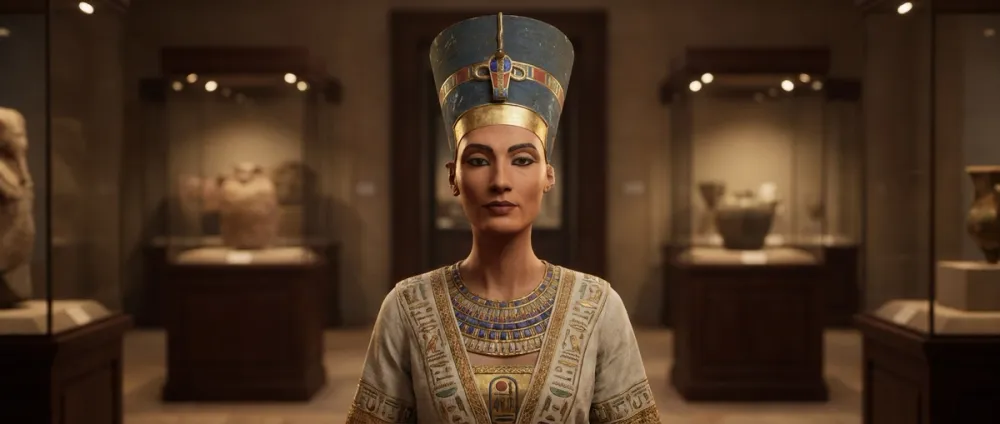
Akhenaten's chief wife, Nefertiti, is one of the most recognizable women from the ancient world, thanks largely to her famous painted bust. She appears constantly in art from early in Akhenaten's reign, often shown with nearly as much authority and prominence as the pharaoh himself.
Then, partway through his reign, she simply disappears from the historical record. There's no confirmed account of her death, and no identified tomb. Theories range from an early death, to a name change and a later reign in her own right, to a period of political disgrace — but honestly, nobody knows for certain. It remains one of Egyptology's real open questions.
Is Tutankhamun Really His Son?
Yes — and this one isn't speculation. In 2010, DNA testing on royal mummies confirmed that Tutankhamun's father was almost certainly Akhenaten. It also confirmed something less pleasant: Tutankhamun's parents were likely siblings or close relatives, a common practice in Egyptian royal families at the time, which may explain some of the health problems documented in Tutankhamun's own remains.
It's a strange footnote to the story: the boy king famous the world over barely mentioned the father whose entire religious revolution he spent his own short reign undoing.
Did Akhenaten Influence Later Religions?
Here's a genuinely disputed one, worth flagging as exactly that: some scholars — most famously Sigmund Freud, in his final book — have speculated about a possible connection between Akhenaten's monotheism and the later development of Judaism. The theory is intriguing but far from proven and remains a minority position among historians and Egyptologists; the vast majority see Atenism and later monotheistic traditions as independent developments, not a direct lineage. Worth knowing the theory exists — not worth treating as settled history.
The Heresy That Almost Worked — Twice
Egypt spent enormous effort making sure Akhenaten was forgotten, and for over three thousand years, it worked. He's only known today because of an accident of archaeology — fragments that survived, ruins that weren't fully destroyed, excavators who went looking centuries later. What actually happened during his seventeen-year reign, and what his family's world really looked like day to day, is a story archaeologists are still piecing together.