Is Asterix Based on a True Story? The Real History Behind the Comic
August 31, 2026 · HistoryBytes Team
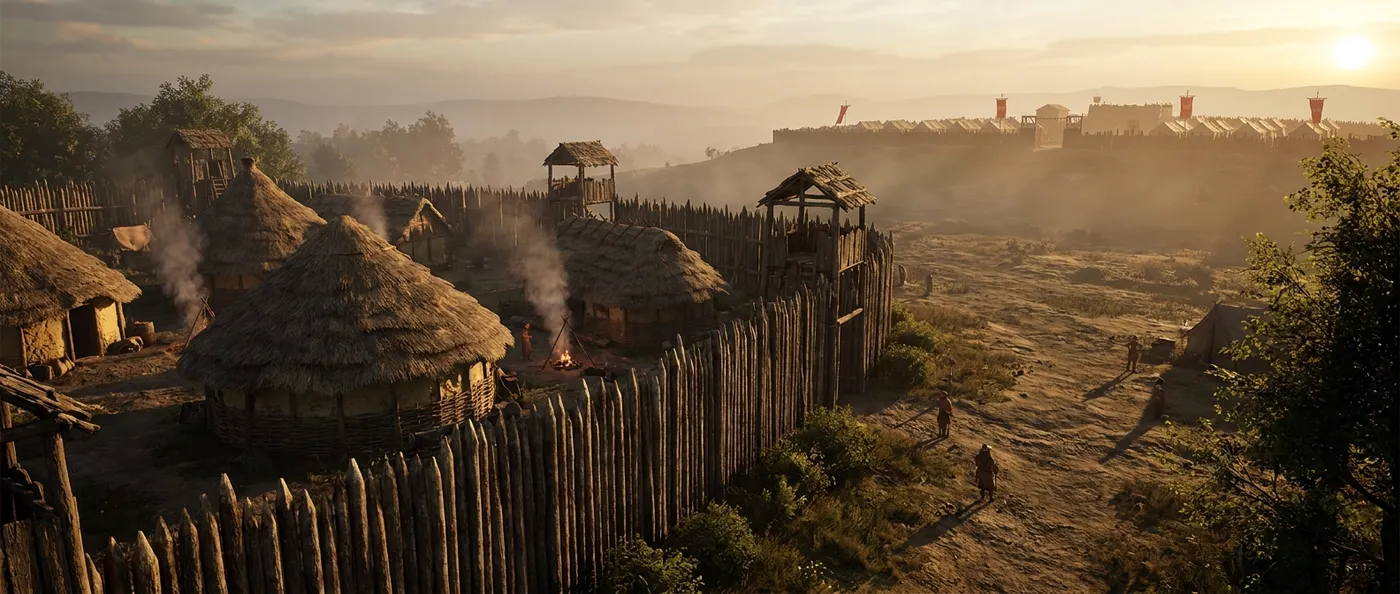
Every time someone rereads one of the Asterix comics — the small, clever Gaulish warrior, his enormous friend Obelix, a magic potion, and one stubborn village holding out against the entire Roman Empire — the same question comes up: how much of this is actually real? The books are pure comedy, obviously. But they're also set in an extremely specific, real historical moment: Gaul in 50 BCE, right after Julius Caesar's conquest. So where does the joke end and the real history begin?
Was There Really a Gaulish Village That Held Out Against Rome?
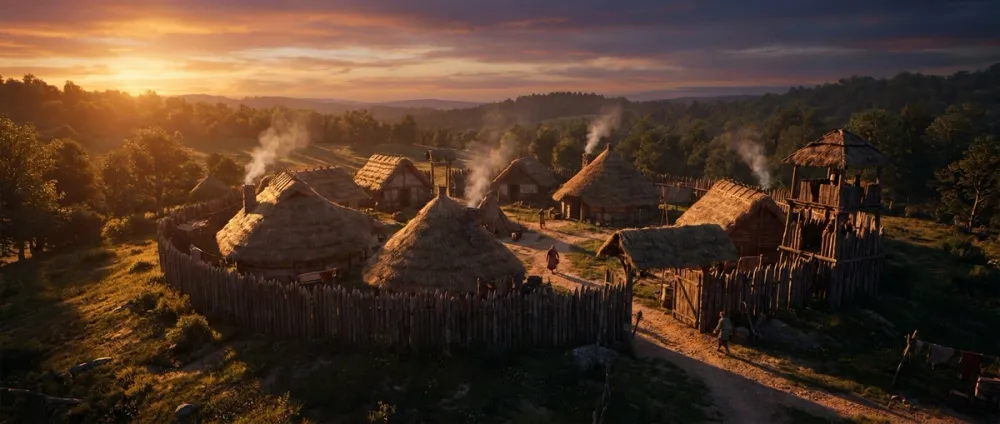
The broader setting is real: Julius Caesar did conquer Gaul, culminating in the decisive Battle of Alesia in 52 BCE, after which most organized Gaulish resistance collapsed. But no historical record documents one specific, defiant village that never submitted, magic potion or otherwise — that detail is Goscinny and Uderzo's invention.
That said, it's not pure fantasy either. Full Romanization of Gaul took decades, not months, and pockets of the region resisted, negotiated, or simply lived semi-independently from Roman administration for years after the official conquest. The "one unconquered village" is a comic exaggeration of something that, in a much messier and slower form, actually happened.
Who Was the Real Vercingetorix?
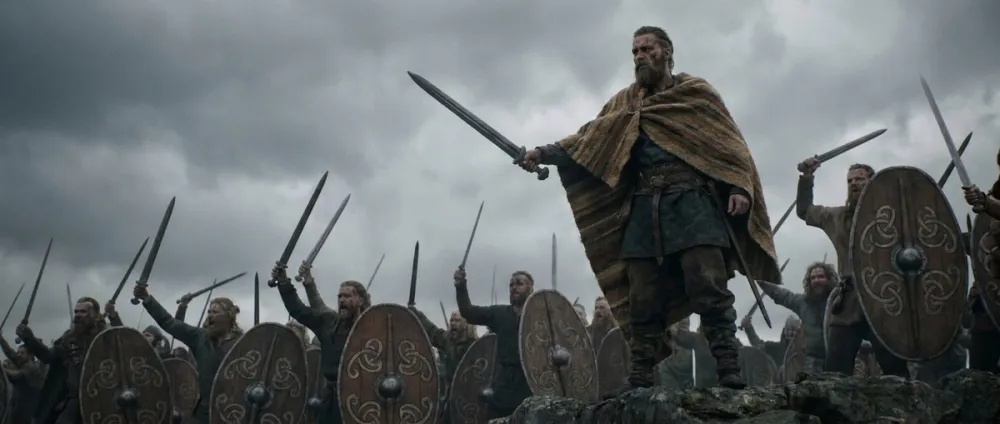
Vercingetorix — whose name inspired the "-ix" ending on every Gaulish character in the comics — was a real Gaulish chieftain, and arguably the most significant figure in the entire conflict. He achieved something rare: uniting rival Gaulish tribes into a single coalition against Caesar's legions.
His stand ended at the siege of Alesia, where he was ultimately forced to surrender. Caesar kept him prisoner for roughly six years, then had him publicly displayed in a triumph in Rome before he was executed — a brutal, very real ending that the comics, understandably, never touch.
Were Gaulish Druids Really That Mysterious?
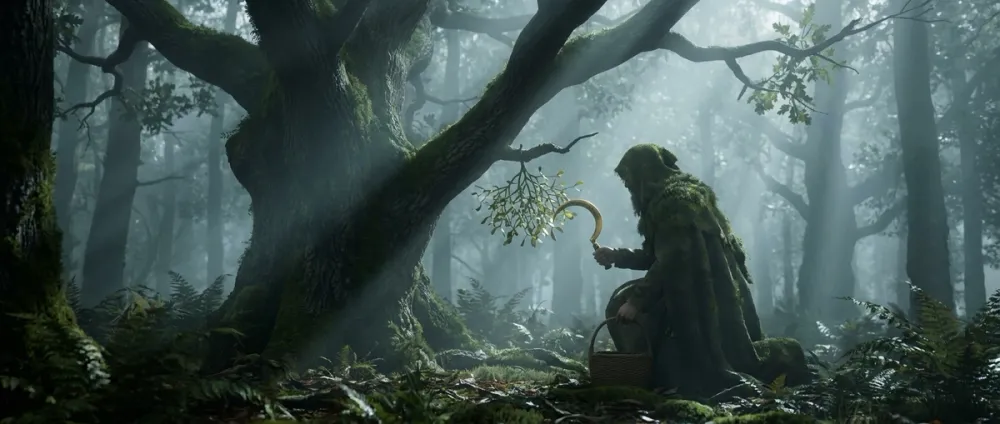
Druids were real, and genuinely influential — acting as judges, educators, and religious authorities within Gaulish society, roughly comparable in social weight to a priesthood combined with a legal class. There's no historical evidence for magic strength potions, unfortunately.
Here's the catch: almost everything we know about druids comes from Roman sources, especially Julius Caesar's own writings — the very man who conquered them. Druids left no written texts of their own (their tradition was oral), so a lot of what survives is filtered through the perspective of the people who defeated them, which historians treat with real caution.
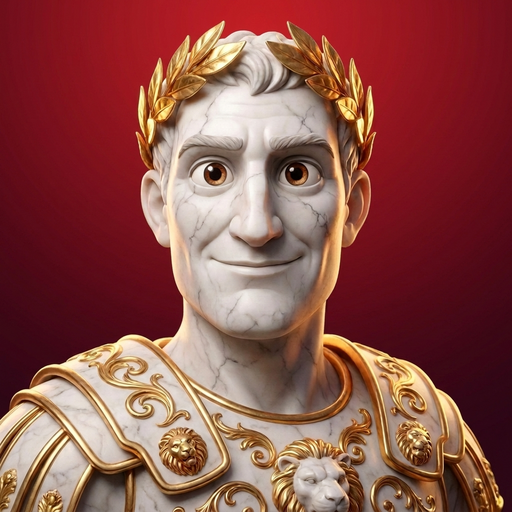
This is HistoryBytes.
Short lessons, real duels, and immersive visuals from a world of history — download it now.
Did Gaulish Warriors Really Fight Like That?
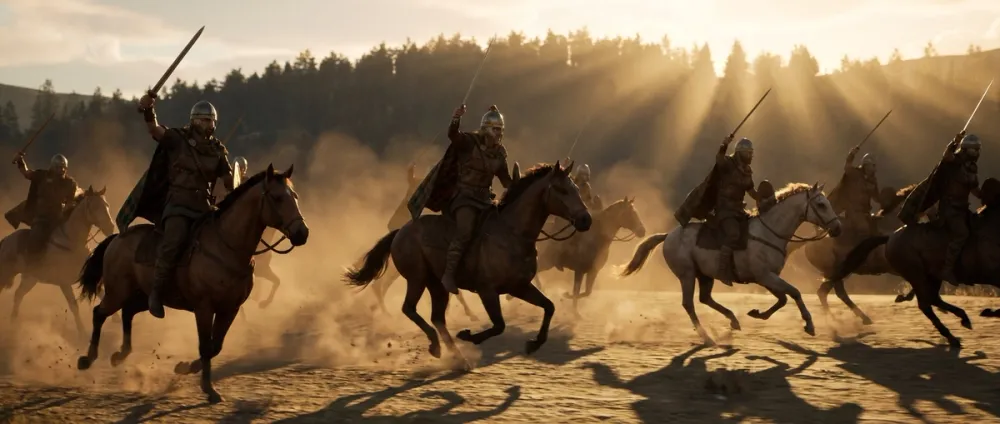
The comics lean into the stereotype of Gauls as huge, wild, and brutish compared to disciplined Romans — but the real picture is more impressive than that. Gaulish cavalry, in particular, was genuinely formidable: skilled riders using saddle designs that gave them a secure seat without stirrups, often outperforming Rome's weaker auxiliary cavalry in direct engagements.
Their real weakness wasn't skill or courage — it was coordination. Gaulish forces typically lacked the centralized logistics, discipline, and command structure that let Roman legions absorb an initial charge and counterattack methodically. That gap, more than raw strength, is what ultimately decided the war.
Were Roman Legionaries Really That Bumbling?
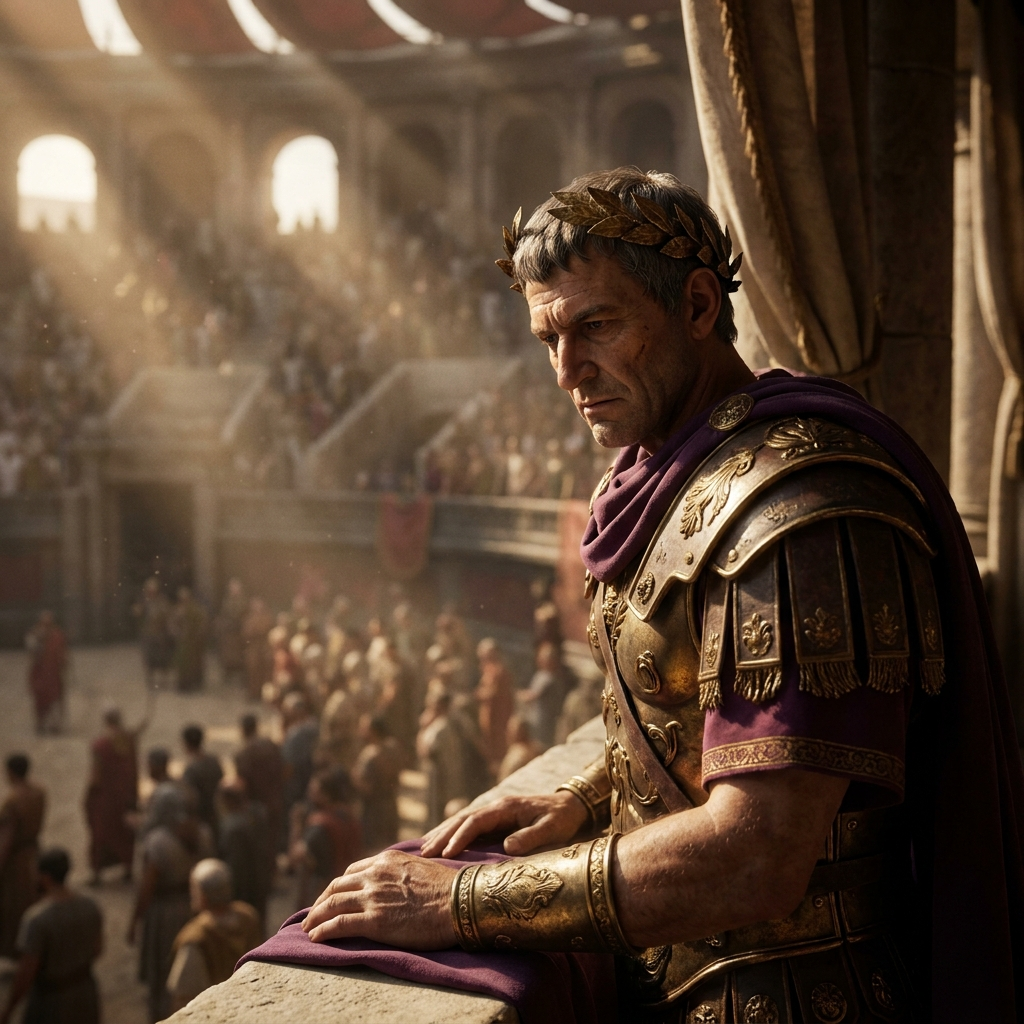
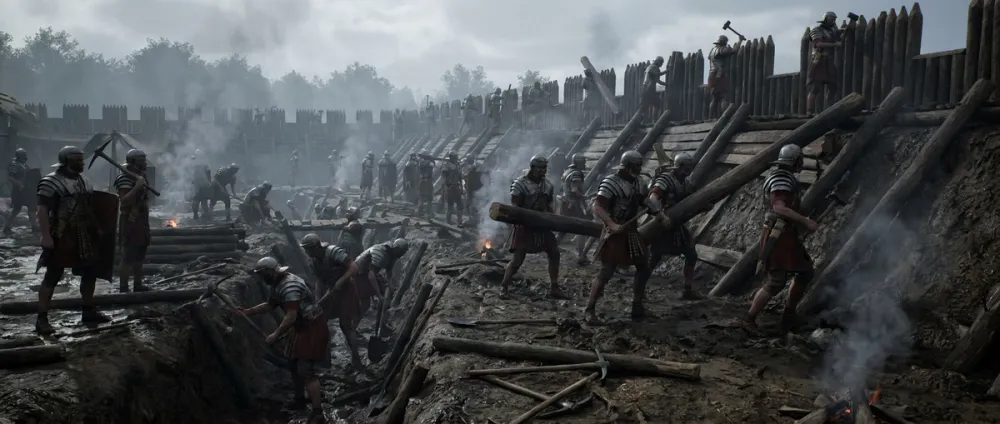
The comics' incompetent, easily-outwitted legionaries are pure comedic exaggeration — the real Roman army occupying Gaul was about as far from bumbling as it gets. Roman legions were famous for exactly the opposite: relentless discipline, engineering skill, and the ability to build fully fortified camps, complete with ramparts and ditches, in a matter of hours, night after night, on the march.
That engineering discipline, not just battlefield brutality, was a huge part of how Rome held onto territory across an entire continent for centuries.
Even the Character Names Are a History Joke
This part isn't a myth — it's a genuinely well-researched detail. The "-ix" ending on nearly every Gaulish name in the series (Asterix, Obelix, Vitalstatistix, and the rest) is a direct nod to the real "-rix" suffix found in actual historical Gaulish chieftain names — Vercingetorix, Orgetorix, Dumnorix — a title element related to the Latin "rex," meaning king. The joke only works because the history behind it is accurate.
So, Is Asterix Based on a True Story?
Asterix, Obelix, and their unconquered village almost certainly weren't real. But nearly everything around them was: a real conquest, a real coalition-building chieftain who paid for it with his life, a real and influential druidic class, real Gaulish cavalry that outclassed expectations, and a real Roman military machine whose discipline — not just its size — is what actually built an empire. The comic is fiction. The world it's making fun of was not.