What Does Ronin Actually Mean? The Real History
September 12, 2026 · HistoryBytes Team
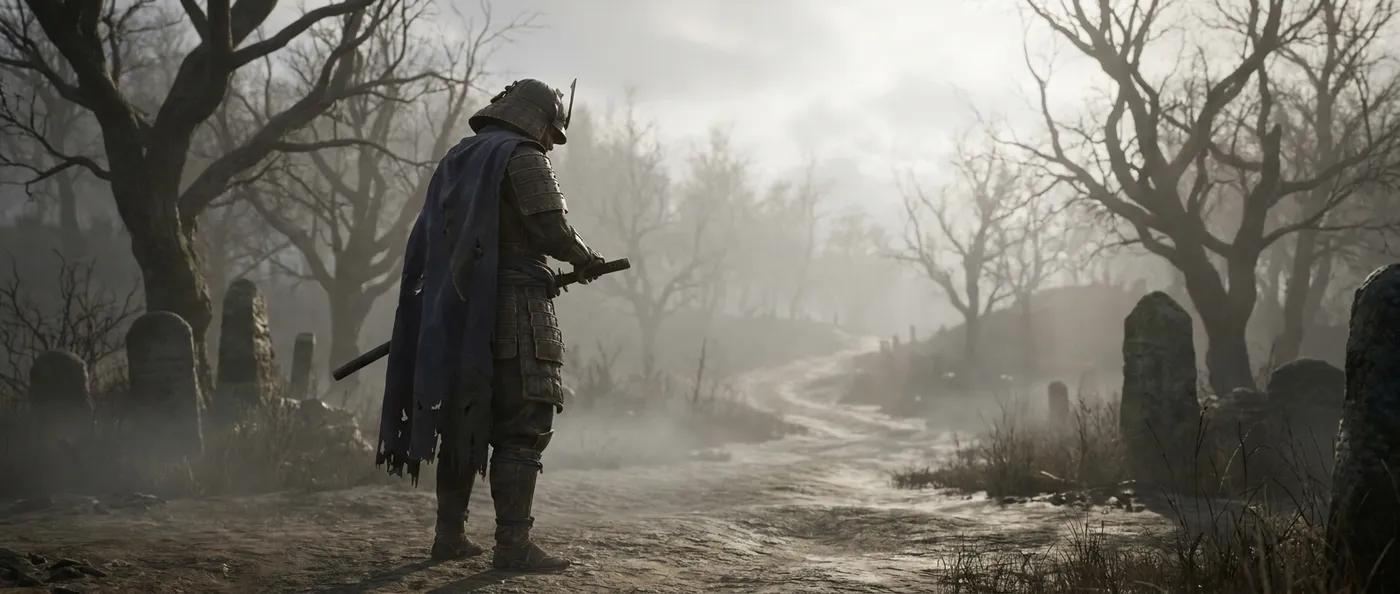
A word from feudal Japan that once described a warrior without a master now has a meaning that has nothing to do with swords at all. If a Japanese teenager is called a "ronin" today, it doesn't mean they're fighting — it means they failed a university entrance exam. How a masterless samurai warrior became a word for "didn't get into university on the first try" is one of history's most surprising linguistic journeys.
A warrior without a lord, without a foothold
A ronin (浪人) was a samurai who had lost his feudal lord — whether through the lord's death without an heir, confiscation of a domain by the shogunate, dismissal, or simply failing to secure a new position. He technically remained a warrior (bushi), still permitted to carry a sword and his family name — but without stipend, office, or the social framework that actually defined a samurai. Interestingly, the kanji characters 浪 (wandering) and 人 (person) originally meant something even broader — people who left their registered land to evade taxes. Only later did the meaning narrow to masterless warriors specifically.
From Miyamoto Musashi to the 47 Ronin
Some became ronin through sheer misfortune — their lord died without an heir, or their domain was dissolved during the Tokugawa consolidation of power. Others chose it deliberately. The legendary swordsman Miyamoto Musashi, author of "The Book of Five Rings," was a ronin his entire life — and it was exactly that status that gave him the freedom to travel the country and fight countless duels. The most famous case in history is the 47 Ronin: samurai whose lord was forced into ritual suicide, who years later carried out revenge together — an event still regarded as one of the most influential examples of samurai loyalty, even though the men involved officially served no lord at all.
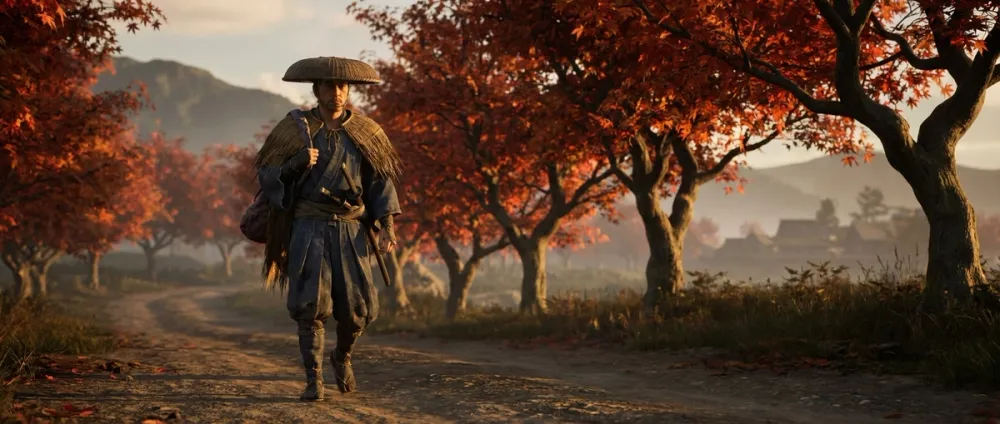

This is HistoryBytes.
Short lessons, real duels, and immersive visuals from a world of history — download it now.
From swordsman to exam retaker
Japan obviously has no samurai left today — and yet the word "ronin" is very much alive in modern usage. It now refers to high school graduates who failed their target university's entrance exam and spend an extra year studying to try again, often at specialized prep schools (yobikō). The leap actually makes sense once it's explained: like the samurai of old, this student has lost their "place" (the university they wanted to serve) and has to fight their way to a new one — just with textbooks instead of a sword. There's even a variant called shūshoku-rōnin — university graduates who haven't yet found a job.

A word that once described a warrior with no future now describes a student with a second chance. Language sometimes carries history forward in the most unexpected places — not in museums, but in the ordinary daily life of a country.