Where to Start Learning History (If You Feel Like You Missed It All)
August 24, 2026 · HistoryBytes Team
There's a specific kind of guilt that creeps in around history. You watch a documentary, or scroll past a post about some empire or war, and think: I should know this. I sat through years of history class. And yet, if someone asked you right now to explain what actually happened in the fall of Rome, or why the Vikings really sailed west, you'd probably come up short.
If that sounds familiar, you didn't fail history. History class failed you.
Most of us were taught history as a list of things to memorize for a test: dates, names, treaties, battles, in a fixed order, disconnected from why any of it mattered. You crammed it, you passed the test, and within a few months, it evaporated. Not because you're bad at history — because almost nobody retains information that was never given a reason to stick.
It's a strange kind of loss, honestly. History is genuinely one of the most interesting things humans have ever produced — actual people, actual stakes, actual stories stranger than most fiction — and somehow the education system managed to make it feel like the least interesting subject in the building. The problem was never the material. It was the delivery method.
The good news is that starting now, as an adult, with no test looming and no chronology to "catch up" on, is actually easier than it was in school. You just need a different approach than the one that didn't work the first time.
Why Dates Never Stick — And Why That's Not the Point
Here's something worth sitting with: even professional historians don't walk around with a mental timeline of exact dates for everything. What they have instead is a working understanding of how a period fit together — what people believed, what pressures they were under, how one event plausibly led to the next.
Dates are a filing system, not the content itself. Memorizing "1066" without understanding why the Norman Conquest mattered is like memorizing a phone number for a person you've never met. Technically correct, functionally useless.
This is also just how memory works. Your brain is extremely good at holding onto stories, emotions, and things that connect to what you already know. It's remarkably bad at holding onto isolated facts with no context, which is exactly the format most history classes deliver information in. That's not a character flaw. It's just how human memory has always worked, and no amount of flashcards changes it.
So if your plan for "getting into history" involves buying a dense chronological textbook and starting from Mesopotamia, there's a decent chance you'll bounce off it the same way you did in school — not because the topic is boring, but because the format is fighting against how you actually learn.
What "Knowing History" Actually Means
Here's a reframe that changes everything: understanding a period of history isn't about being able to recite its timeline on demand. It's about developing a felt sense of what it was actually like to be a person living through it.
Not "what year did the Roman Empire fall" but: what did an average Roman worry about on a Tuesday? What did they think happened after death? What made them laugh, what terrified them, what did marriage mean to them, what did they consider fair or unfair about their own society? How did power actually work day to day — not in the abstract "emperors ruled" sense, but in the sense of who you'd actually be afraid of angering if you lived in a small town three provinces from the capital?
That's a completely different kind of knowledge than a timeline. It's closer to understanding a culture than memorizing a syllabus. And crucially, it's the kind of knowledge that actually sticks, because it's built out of human details — the stuff your brain is wired to hold onto in the first place.
Once you have that foundation for a period, the specific facts start attaching themselves to it naturally. You don't have to force yourself to remember why the Roman calendar has weirdly named autumn months, because you already understand how Roman society thought about time, power, and tradition. The fact isn't floating alone anymore. It has somewhere to land.
So Where Do You Actually Start?
A few practical shifts make this much easier than the "textbook from the beginning of time" approach most people default to.
Pick one era, not the whole timeline. Trying to learn "all of history" at once is exactly the trap that made it unbearable in school. Choose a single period that already has some pull on you — doesn't matter why. Maybe you liked a movie set in ancient Rome, maybe Vikings caught your attention, maybe you've always found samurai culture interesting. That spark of curiosity is worth more than any "correct" starting point a syllabus could give you.
If nothing obvious comes to mind, try answering one of these instead of overthinking it: What movie, show, or game set in the past have you actually enjoyed, even a little? Is there a historical figure whose name you already recognize but couldn't actually explain why they matter? Is there a place — a city, a country, a ruin you've seen a photo of — that you'd love to understand the history of if you ever visited? Any one of those answers is a perfectly good starting point. There's no wrong door in.
Go deep before you go wide. Spend real time in one era before jumping to the next. Understanding how one period actually worked gives you a reference point for comparing everything else you learn later — you start noticing patterns, contrasts, and connections across eras almost automatically, without trying to force them.
Follow curiosity, not chronology. You don't have to start at the "beginning" of anything. There is no correct entry point into history. Jumping straight into medieval Japan without first "doing" ancient Greece is completely fine. Chronological order is a convenience for textbook authors, not a requirement for understanding.
Let context build itself. Don't fight to memorize a fact in isolation. Let it show up naturally as part of a story, and it'll stick without effort. This is, frankly, the entire design philosophy behind how we built HistoryBytes.
What This Actually Looks Like: A Quick Example
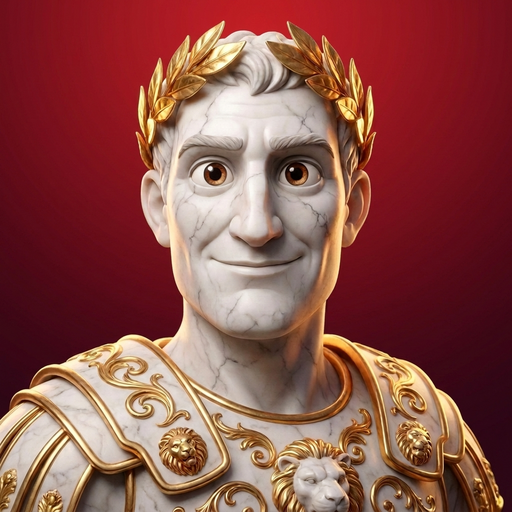
Take Ancient Rome, since it's a period almost everyone has some vague, disconnected knowledge of already. The "textbook version" looks like this: the Republic founded around 509 BCE, the Punic Wars against Carthage, Julius Caesar crossing the Rubicon, Augustus becoming the first emperor in 27 BCE, and eventually the fall of the Western Empire in 476 CE. That's a perfectly accurate list. It's also almost impossible to actually hold onto if it's the first thing you learn, because none of it means anything yet.
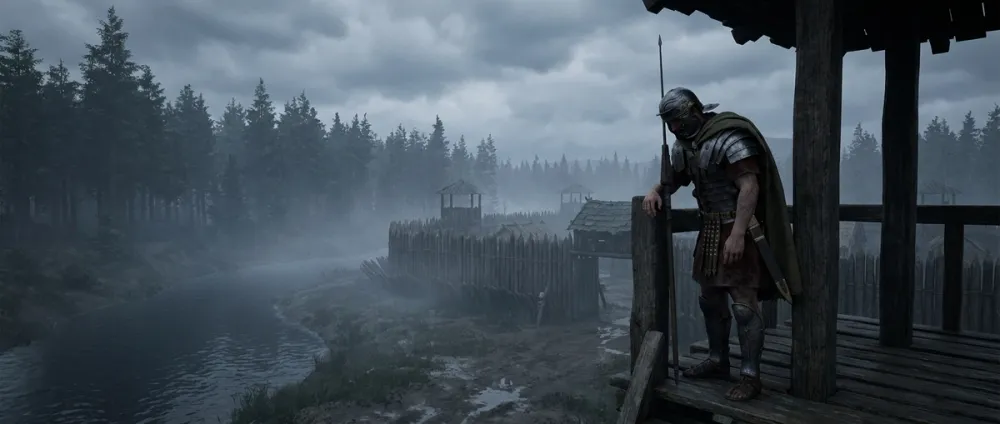
Now flip the order. Start instead with what daily life actually felt like. A Roman soldier posted to a frontier fort on the Rhine might spend twenty years away from home, building roads and forts in weather nothing like Italy, surrounded by people who didn't speak Latin, waiting for a pension of land he might never get to enjoy.
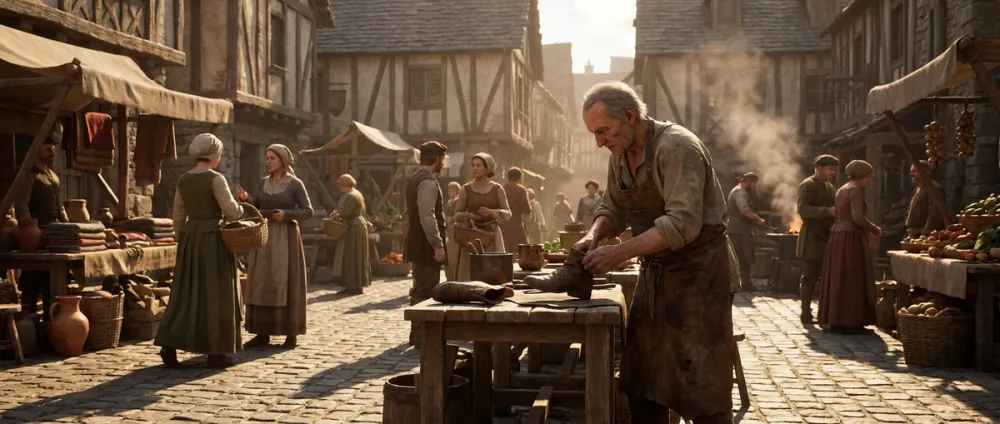
A Roman woman couldn't vote or hold office, but could — depending on the era and her class — own property, run a business, and initiate a divorce, giving her more practical legal standing than many women would have almost anywhere else in the world for the next thousand years. An ordinary market vendor in Rome worried about the same things people worry about now: rent, the price of grain, whether his kids would do better than he did, which local official might shake him down this month.
Once that texture exists in your head — the frontier soldier, the legally savvy Roman woman, the anxious market vendor — the "textbook facts" stop floating in a void. Augustus becoming emperor now means something, because you already understand what kind of chaos and civil war made people desperate enough to hand power to one man in exchange for stability. The date isn't the point of entry anymore. It's just a label on something you already understand.
Discover HistoryBytes now
This is exactly the gap HistoryBytes was built to close. Instead of a chronological wall of dates, you pick an era that pulls you in and actually live in it for a while — through short, story-based lessons that build understanding, not just recall.
Why We Built HistoryBytes Around Eras, Not Timelines
This whole approach is the reason HistoryBytes doesn't work like a chronological textbook. Instead, each Season is built around a single era — Ancient Rome, the Viking Age, Ancient Egypt, the samurai, and more — that you can fully sink into, rather than skim past on your way to the next century.
The goal in every Season isn't to make you memorize a list of names and dates. It's to build a genuine, felt understanding of how people in that era actually lived — how they thought, who and what they loved, what they fought for, how power worked and who wielded it, what daily suffering looked like, and what an ordinary day actually felt like for someone who wasn't a king or a general. General understanding first, specific knowledge second — which, as it turns out, is also just how retention actually works.
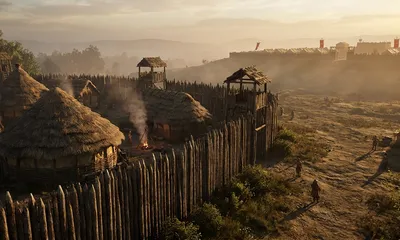
That's why a Rome Season isn't only about emperors and battles, and a Viking Age Season isn't only about raids. It's the frontier soldier and the market vendor. It's the farmer who spent most of the year working land rather than raiding, and the woman running a household and a trade dispute at the same time. Political history still shows up, because it matters — but it shows up as the backdrop for lived experience, not as the entire point.
The lessons themselves are short on purpose. Not because the content is shallow, but because short, low-friction sessions are what actually turn into a habit. Nobody keeps opening a 45-minute textbook chapter every day for a month. People do open a two-minute lesson on their commute, in a waiting room, or during a coffee break — and two minutes a day, repeated, adds up to real depth far faster than most people expect.
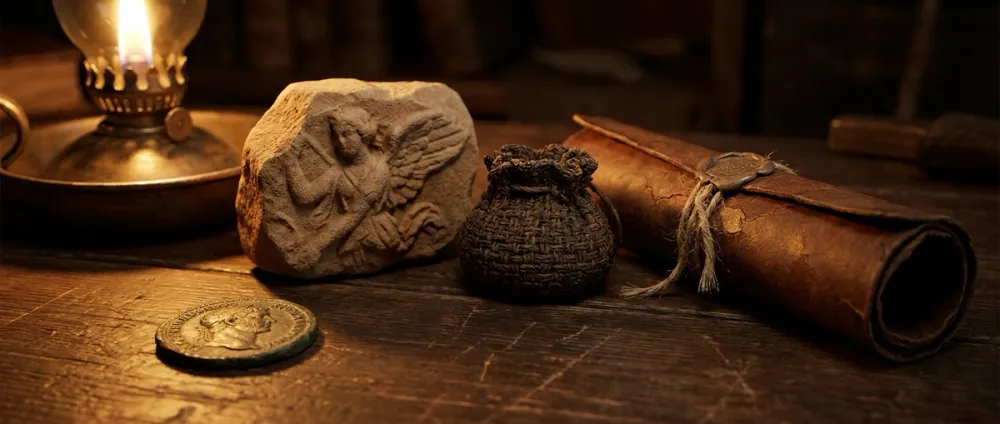
It's also deliberately playful — quizzes, an interactive map tracing real historical events and journeys, collectible cards for the people, places, objects, and ideas you encounter along the way, and duels against other players to test what you've actually retained. Not because history needs to be "dumbed down," but because motivation, not intelligence, is usually the actual bottleneck for adults trying to learn something new. Willpower alone rarely survives a busy week. A system that makes you want to open the app again tomorrow does.
You Don't Need to Catch Up. You Just Need to Start.
There's no missed deadline here. Nobody is grading you on how much history you should already know by now. The version of "learning history" that made you feel behind — the dates, the tests, the chronological march from ancient to modern — was never actually the goal. It was just the format it happened to be delivered in.
Pick one era. Follow what actually interests you. Let the details attach themselves to a real, human sense of what it was like to be there, instead of trying to memorize them cold. That's not a shortcut — it's just how understanding history was always supposed to work in the first place.
A year from now, you won't remember every date you could have crammed. But you might genuinely understand what it felt like to stand on a Viking ship heading toward unknown coastline, or to be a Roman soldier twenty years into a posting he never chose, or to live under a code of honor that took shape long after the age it's remembered for. That's not a smaller achievement than memorizing a timeline. It's a much bigger one — and it's the one that actually lasts.
Discover HistoryBytes now
Ready to actually start? Pick an era in HistoryBytes and spend a few minutes a day building real understanding of how people lived, thought, and fought — through short, story-based lessons, an interactive map, and a growing collection of cards. Download HistoryBytes and start with whatever era pulls you in.