11 Samurai History Facts That Go Beyond the Sword
August 26, 2026 · HistoryBytes Team
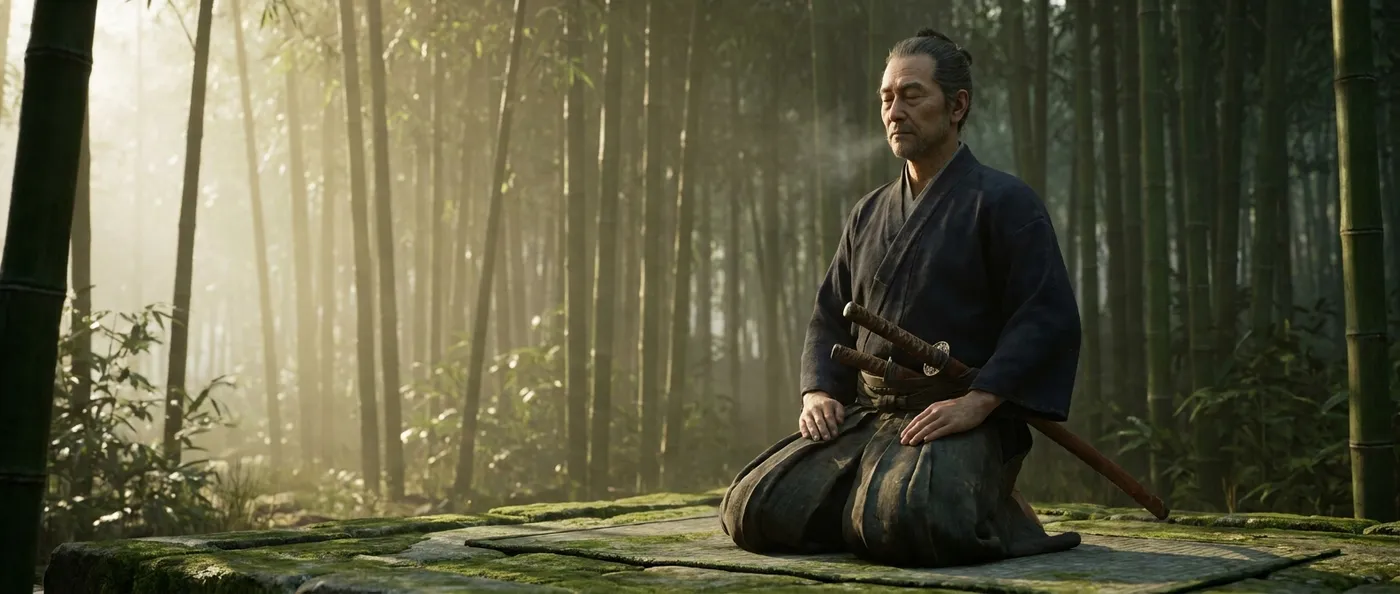
The popular image of the samurai is a lone warrior with a sword, defined only by combat. The real history is far richer — a culture that valued poetry as highly as swordsmanship, and where the sword itself wasn't always the weapon of choice. Here are 11 facts that go beyond the stereotype.
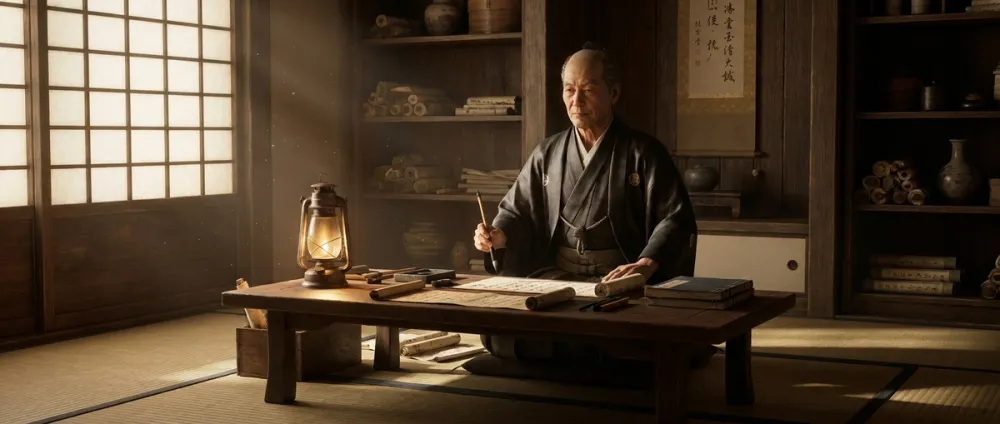
1. Samurai were expected to master the arts, not just combat.
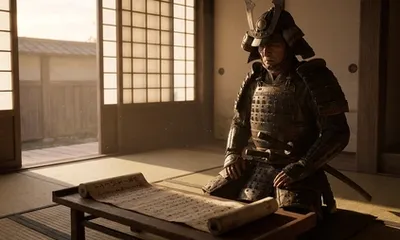
Calligraphy, poetry, and the tea ceremony were considered essential parts of a samurai's education. A warrior who could only fight, without cultural refinement, was seen as incomplete.
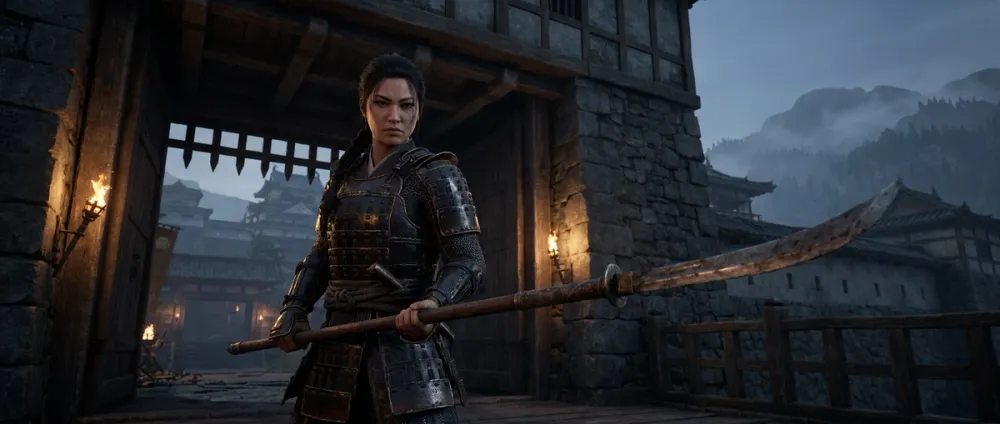
2. Female samurai existed and were trained in combat.
Known as onna-bugeisha, these women trained in weapons like the naginata, a long polearm, to defend their homes and castles when male warriors were away at war.
3. The katana wasn't always a samurai's primary weapon.
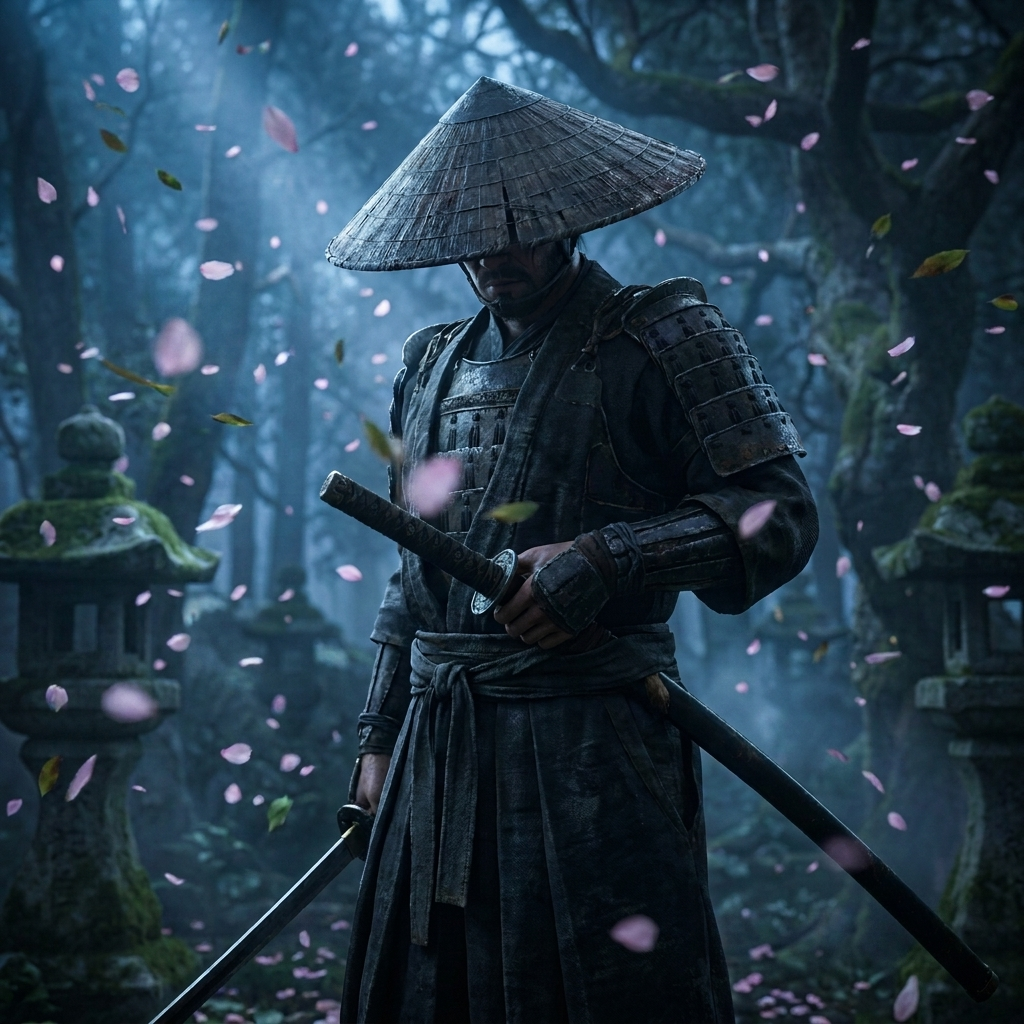
For much of samurai history, especially in large-scale warfare, the bow (yumi) and spear (yari) were relied on more heavily than swords. The katana rose to symbolic prominence partly during the long peace of the Edo period.
4. Samurai carried two swords as a symbol of status, not just practicality.
The paired long and short swords, known as daisho, were a visible marker of samurai rank — commoners were legally forbidden from carrying them.
5. The famous story of the 47 Ronin is based on real events.
In 1701–1703, a group of samurai carried out a coordinated act of loyalty after their lord's forced suicide — a real historical episode that became one of Japan's most retold legends.
This is HistoryBytes.
Short lessons, real duels, and immersive visuals from a world of history — download it now.
6. Samurai armor was engineered to be lightweight and flexible.
Unlike the heavy plate armor of medieval Europe, samurai armor used lacquered leather and small connected plates, allowing greater freedom of movement for both sword combat and archery.
7. Many samurai became administrators, not warriors, during peacetime.
The centuries-long peace of the Edo period meant most samurai spent their careers as bureaucrats, tax collectors, or estate managers rather than fighting in battles.
8. Seppuku followed strict, formalized rules.
Ritual suicide was governed by precise customs, including the presence of a second, called a kaishakunin, whose role was to end the ordeal quickly and reduce suffering — far from a spontaneous act.
9. The samurai class system was legally formalized during the Edo period.
A strict four-tier social hierarchy placed samurai at the top, above farmers, artisans, and merchants — a structure enforced by law, not just custom.
10. Miyamoto Musashi, one of history's most famous swordsmen, reportedly never lost a duel.
Musashi fought over 60 recorded duels throughout his life and later wrote The Book of Five Rings, a text on strategy still studied today, far beyond martial arts circles.
11. The idea of Bushido as a strict, unified code was partly shaped after the samurai era itself.
While honor and loyalty were always valued, many historians note that Bushido as a formalized, codified philosophy was significantly developed and popularized during the Edo period and later — meaning the "samurai code" many people picture today was refined well after the age of large-scale samurai warfare had ended.
The Samurai Were More Than Warriors
These 11 facts only begin to show how much depth lies behind the popular image of the sword-wielding warrior. From poetry and administration to the real story behind the 47 Ronin, samurai history is far richer than combat alone.