12 Ancient Rome Facts That Will Blow Your Mind
September 01, 2026 · HistoryBytes Team
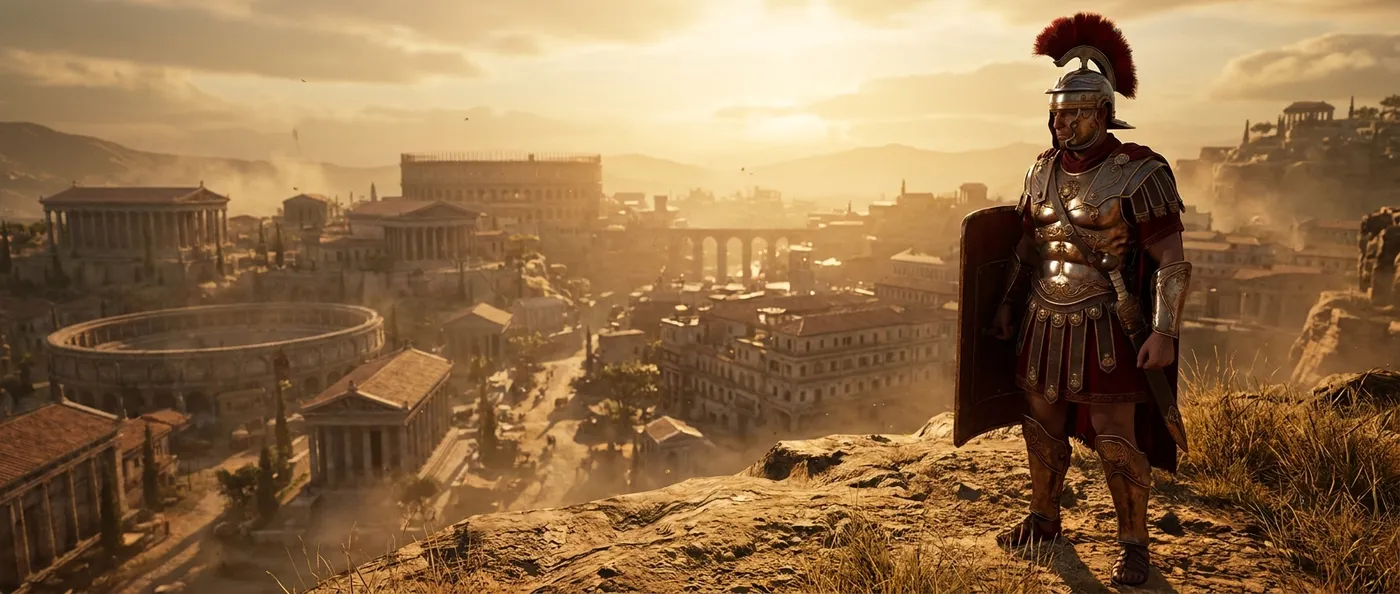
Rome wasn't built in a day — but it also wasn't the marble-and-toga postcard most people imagine. Behind the famous emperors and gladiator battles lies a civilization stranger, smarter, and occasionally grosser than most history classes ever mention. Here are 12 facts that prove it.
1. Romans put rotten fermented fish guts on almost everything they ate.
Garum, a pungent sauce made by letting fish intestines ferment in the sun for weeks, was Rome's all-purpose condiment — used the way people today use ketchup or soy sauce, despite (or because of) its overpowering smell.
2. The Roman calendar's month names still don't match their actual position.
September, October, November, and December come from the Latin words for 7, 8, 9, and 10 — but they're now the 9th through 12th months. Julius Caesar's calendar reform shifted everything by two months, and the old names just stuck.
3. Vestal Virgins had more legal power than almost any other women in Rome.
These priestesses could own property, vote in certain matters, testify in court without a male guardian's permission, and even had the authority to pardon a condemned criminal if they happened to cross paths with one on the way to execution.

4. The Great Library of Alexandria charged a "book tax" on visiting ships.
Any ship docking in Alexandria was required to hand over its books to be copied — the originals often stayed in the library, and the ship got a copy instead.
5. Julius Caesar was the first living Roman to have his face on a coin.
Roman coins had always featured gods, ancestors, or symbols — until Caesar broke tradition in 44 BCE and put his own portrait on Roman currency, a move some senators saw as a step too close to kingship.
This is HistoryBytes.
Short lessons, real duels, and immersive visuals from a world of history — download it now.
6. The Colosseum could be flooded for staged naval battles.
Known as naumachiae, these mock sea battles were held in the flooded arena, complete with real ships and combatants — a level of spectacle rarely matched since.
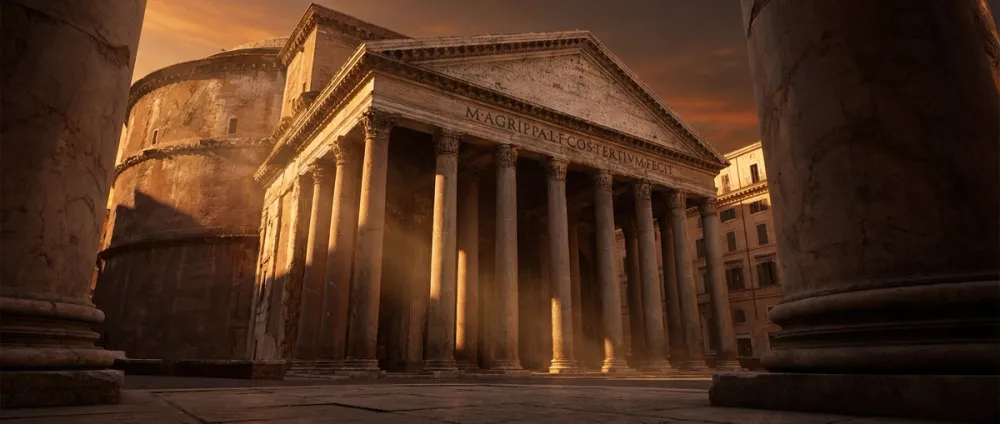
7. Roman concrete is more durable than most modern concrete.
Structures like the Pantheon have survived nearly 2,000 years. Researchers found that a specific mix involving volcanic ash actually gets stronger over time when exposed to seawater.
8. Emperor Caligula reportedly planned to make his horse a consul.
Whether fact or exaggerated rumor from hostile historians, ancient sources claim Caligula intended to appoint his favorite horse, Incitatus, to Rome's highest political office.
9. Roman gladiators were mostly not fighting to the death.
Gladiators were expensive to train, and most fights ended without a kill — arena owners had a financial interest in keeping their fighters alive for future matches.
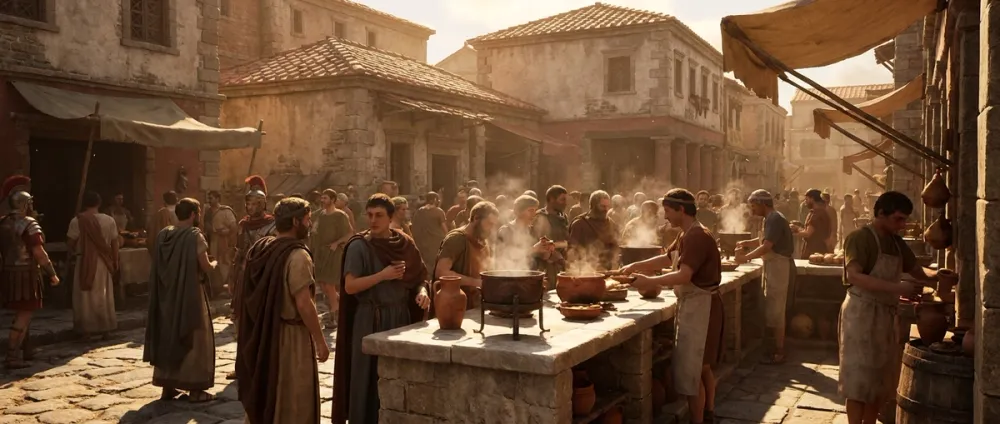
10. Rome had an early version of fast food.
Thermopolia — counter-service shops selling hot food to go — were common throughout Roman cities, especially for residents without their own kitchens.
11. The Roman road network stretched over 400,000 kilometers.
Many of these roads were engineered so well that sections are still visible — and in rare cases, still usable — today.
12. Nero didn't actually "fiddle while Rome burned."
The fiddle didn't exist yet in his time. Some ancient sources claim he played a lyre and sang during the fire — but even that detail is disputed by historians.
Rome's Story Is Bigger Than 12 Facts
These are just the highlights. The full story of Rome — from its founding myth to the fall of the empire — unfolds across dozens of interactive lessons in HistoryBytes, complete with a real map of the ancient world, collectible cards for the people, places, events, objects, and concepts you encounter, and quiz duels against other players in the Arena. Season 1, the complete Roman Empire arc, is entirely free. No ads, no catch.