Harald Bluetooth: The Viking King Behind Bluetooth
September 09, 2026 · HistoryBytes Team
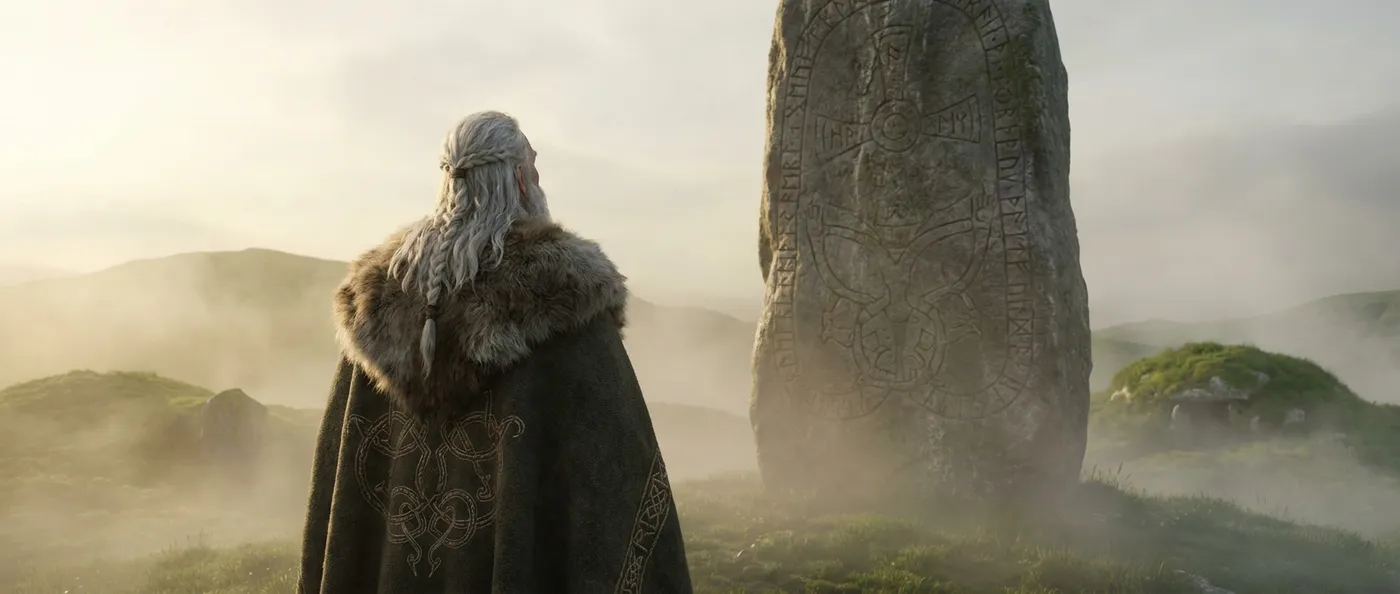
If you're wearing wireless headphones right now, you've probably never thought about who Bluetooth is actually named after. The answer: a real Viking king who died over a thousand years ago. His name was Harald Bluetooth — and even the Bluetooth logo you see every day is his initials, written in Norse runes. But who was this man, really, before a 1990s Intel engineer dug up his name for a wireless technology?
Was Harald Bluetooth actually real?
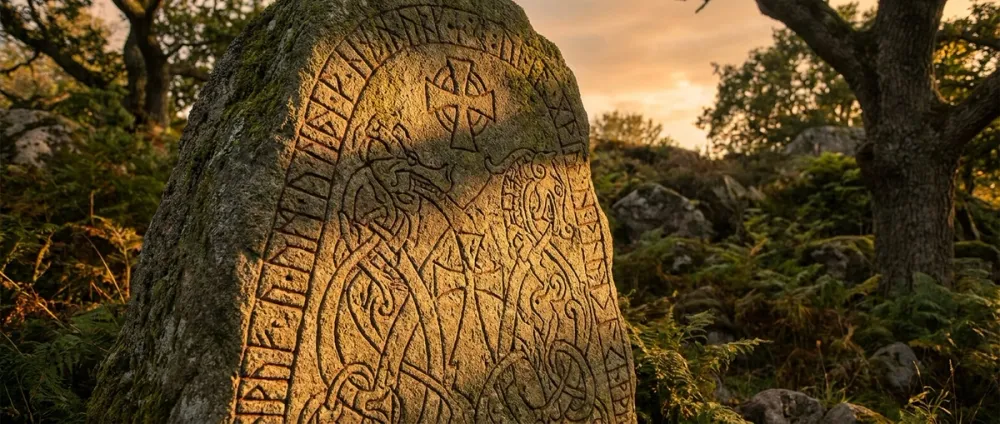
Yes — and that's not a given for Viking kings, many of whom exist only in saga and oral tradition. Harald is documented through the Jelling stones, two massive rune stones in Denmark raised by his father and by Harald himself. The larger stone carries an inscription in which Harald boasts of winning "all of Denmark" and converting the Danes to Christianity. It's essentially Denmark's oldest surviving advertisement — carved in stone so no one would forget.
Viking, Danish — and briefly King of Norway too
Harald ruled Denmark from roughly 958 to 986 CE. He was unmistakably a Viking in every sense of the word — but unlike the popular image of raiders and plunder, he was above all a state-builder. He united scattered Danish territories into a single kingdom, commissioned massive ring fortresses like Trelleborg, and for a time also ruled parts of Norway. His realm was briefly one of the most powerful in all of Northern Europe.
This is HistoryBytes.
Short lessons, real duels, and immersive visuals from a world of history — download it now.
The Viking king who brought the cross
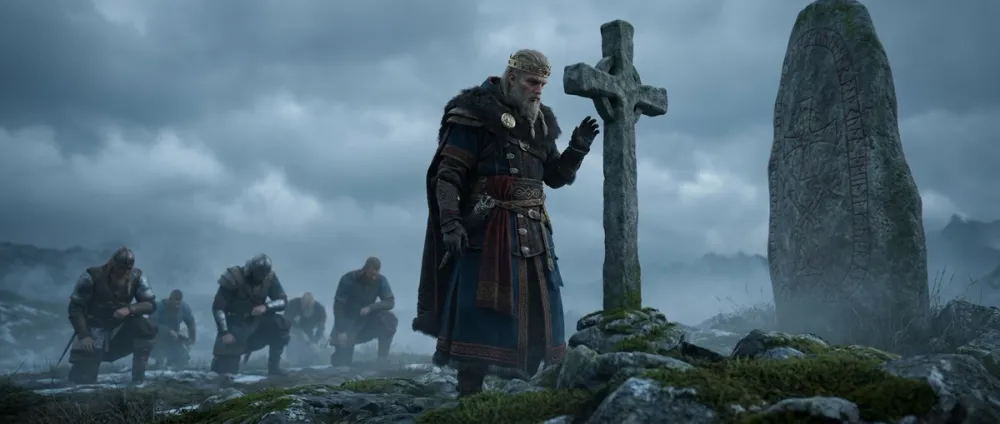
Harald was the first Danish king to officially convert to Christianity — and he forced his entire kingdom to follow. That was no small decision: it meant breaking with the old Norse gods generations of Vikings had worshipped, and it opened Denmark up politically and culturally to Christian Europe.
Does that make him a "good" king? The answer isn't simple. Chroniclers of his time described him in contradictory terms — sometimes wise and devout, sometimes stubborn and short-sighted. What's certain: he united a kingdom that had previously been fragmented, laying the foundation for modern Denmark. His end, however, was anything but royal.
Two stubborn mix-ups
Two things are often wrongly attributed to Harald Bluetooth. First: he was not King of England — that was a different Norse ruler roughly 80 years later, also named Harald or Harold, which easily confuses the names in hindsight. Second: a direct, historically confirmed family link to Ragnar Lothbrok — himself a partly legendary saga figure — can't be reliably established. Later sagas sometimes construct family trees connecting famous Viking names, but the historical evidence for this particular link is thin.
From rune stone to headphone symbol
Over a thousand years after his death, an Intel engineer named Jim Kardach was reading about Viking history in the 1990s — and came across the story of Harald, who united fractured tribes into a single kingdom. Kardach was looking for a code name for a new wireless technology designed to "unite" different devices. The parallel was too fitting to ignore: Bluetooth was born.
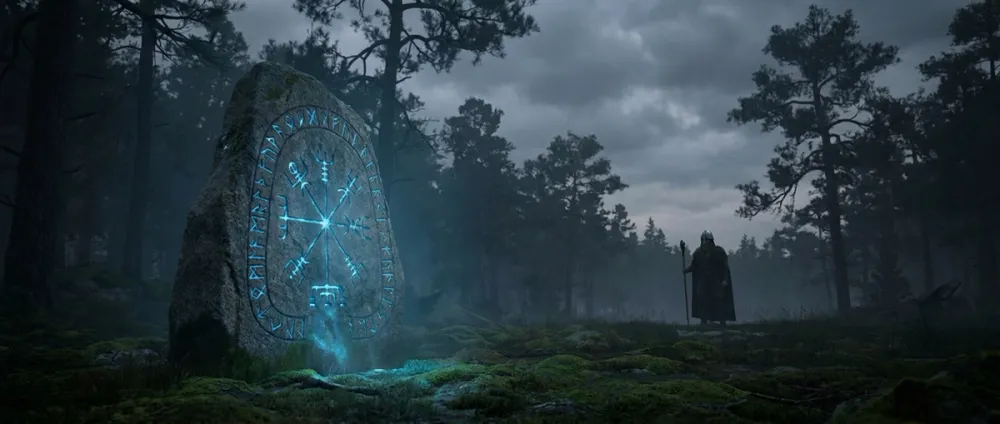
Even today's Bluetooth symbol isn't an invention — it's a deliberate tribute. It combines the Norse runes for "H" (ᚼ) and "B" (ᛒ) — Harald's initials — into a single mark.
The next question is almost unavoidable: how many other technologies, brands, or names you use every day carry real historical stories inside them — without you ever knowing it?