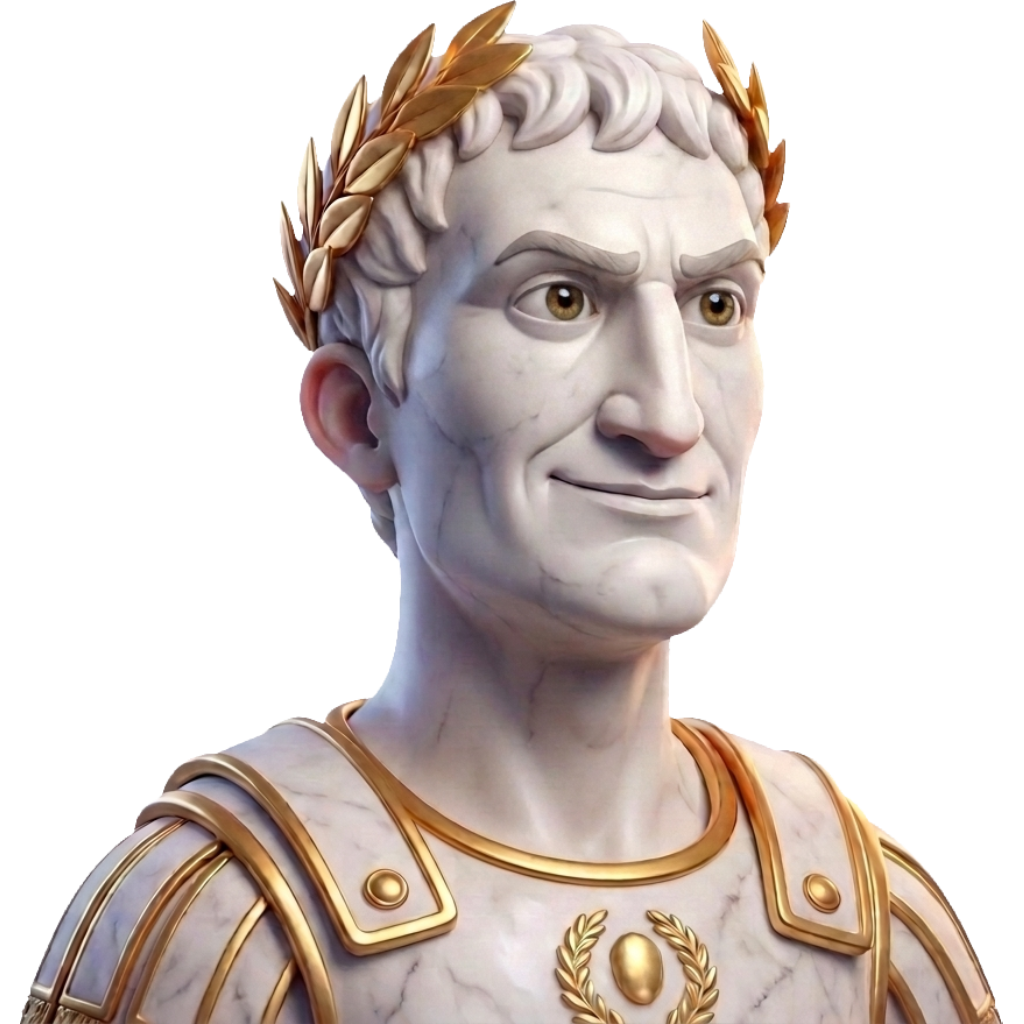

 AI
Baghdad, the Round City
In 762, Caliph al-Mansur lays out a city in a perfect circle on the Tigris, with his palace and the Green Dome at its heart. He calls it the City of Peace. Two generations later, Baghdad is the largest city in the world.
 AI
Caliphs, scholars and silent Assassins: five centuries between Baghdad, Cairo and the castles of Alamut.
The countdown is on · December 25, 2026
In 750, a revolution under black banners topples the Umayyad dynasty, and on the Tigris the Abbasids found a round city: Baghdad.
Here scholars translate the works of the Greeks and Persians, and here algebra is born, along with the tales of the Thousand and One Nights. Yet behind the palaces lurk intrigues, in the mountains of Persia the Assassins wait, and in the east a storm is gathering that will sweep everything away in 1258.
AIIn 762, Caliph al-Mansur lays out a city in a perfect circle on the Tigris, with his palace and the Green Dome at its heart. He calls it the City of Peace. Two generations later, Baghdad is the largest city in the world.
 AI
Under Harun al-Rashid, the caliphate reaches its height. He sends Charlemagne an elephant and wages war on Byzantium. In the tales, he roams Baghdad in disguise by night to see how his people truly live.
 AI
In Baghdad, scholars translate Aristotle, Euclid and the writings of India into Arabic. Here al-Khwarizmi writes the book that gives algebra its name. His own name later becomes the word algorithm.
 AI
In 1090, Hasan-i Sabbah takes the mountain fortress of Alamut without shedding a drop of blood. From here he sends out killers who stab the powerful in the midst of their guards. Their enemies call them Hashishin, and Europe turns it into the word assassin.
 AI
A king marries a new bride every evening and has her killed the next morning. Scheherazade saves her life by telling him a story each night and stopping at the most thrilling moment. Many of these tales are set in the Baghdad of the caliphs.
 AI
In 1258, the Mongols under Hulegu stand before Baghdad. Within weeks the city falls, the last caliph is killed and the libraries burn. Legend says the ink of the books turned the Tigris black.
Swipe for more →
The Abbasids were a ruling family who traced their line to al-Abbas, an uncle of the Prophet Muhammad. In 750 they overthrew the Umayyads in a revolution and from then on ruled as caliphs over an empire stretching from North Africa to Central Asia. Their caliphate lasted around 500 years, until the Mongols took Baghdad in 1258.
Caliph al-Mansur founded Baghdad in 762 as a round city on the Tigris. Within a few decades it grew into one of the largest cities in the world. Trade routes from India, China, Byzantium and Africa met here, bringing silk, spices, paper and books into the city. Under Caliph Harun al-Rashid, who ruled from 786 to 809, Baghdad reached its height.
At the caliphs' court in Baghdad, scholars translated Greek, Persian and Indian works into Arabic, including texts by Aristotle, Euclid and Ptolemy. This work flourished especially under Caliph al-Ma'mun in the 9th century. Here the mathematician al-Khwarizmi wrote the book that gave algebra its name, and his own name later became the word algorithm.
The Thousand and One Nights is a collection of tales from Persia, India and the Arab world. In the frame story, Scheherazade tells a king a new story every night and stops at the most exciting moment to save her life. Many of the tales are set in Abbasid Baghdad, and Harun al-Rashid himself appears in them. Aladdin and Ali Baba were only added in the 18th century by the French translator Antoine Galland.
The Assassins were a community of Nizari Ismailis. Their leader Hasan-i Sabbah seized the mountain fortress of Alamut in Persia in 1090. With targeted attacks on viziers, emirs and princes, his followers spread fear across the Middle East. Their enemies called them Hashishiyya as an insult, and through the Crusaders this became the European word for a political murderer.
From the 9th century on, the caliphs lost power: Turkish guards, Persian dynasties and later the Seljuks took control, and the caliphs often remained only religious leaders. In 1258 the Mongols under Hulegu took Baghdad, killed the last caliph al-Musta'sim and destroyed the city. Legend says the ink of the books turned the Tigris black.
Get the app now, play Season 1 for free and don't miss the release on December 25, 2026.
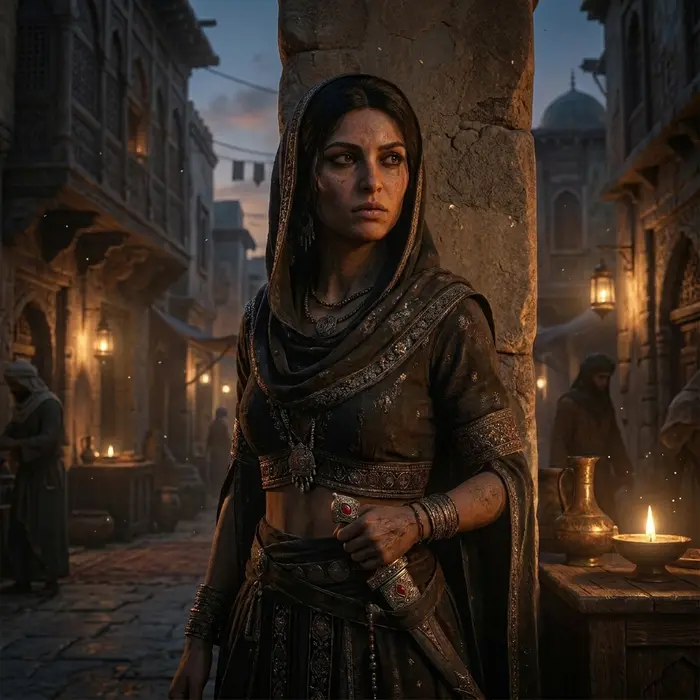
1001 Nights comes out on December 25, 2026. With Premium or as a founder, you get the season automatically on release day.
The first 5 episodes of 1001 Nights are free. Unlock all other episodes with Premium.
No. Every season is its own path, so you can start wherever you like.
iPhone, iPad and Android. Your progress is tied to your account and syncs across all your devices.


