
 AI
AIThe rise of the samurai
In the Genpei War, the Taira and Minamoto clans fought for power, decided in 1185 at the sea battle of Dan-no-ura. Afterwards a shogun ruled for the first time, and the samurai became Japan's ruling class.
 AI
AIFor seven centuries, Japan's warriors ruled the land: from the first battles at sea through the age of war to the last stand against modern rifles. Discover the people, places and ideals behind the legend.
Cherry blossoms fall in perfect beauty, but steel remains eternal.
We take you to the land of the rising sun: From the fog-shrouded castles of the shoguns to the deadly duel at dawn. Honor here is not a currency, but a law written in blood. Do you hear the whispering of the wind? Draw your sword. The path begins now.
AIIn the Genpei War, the Taira and Minamoto clans fought for power, decided in 1185 at the sea battle of Dan-no-ura. Afterwards a shogun ruled for the first time, and the samurai became Japan's ruling class.
 AI
AIIn 1274 and 1281, Kublai Khan's empire invaded Japan. Twice, typhoons shattered the huge fleets off the coast. The Japanese called them kamikaze, the "divine wind".
 AI
AIFor over a century, Japan's lords waged war on each other. Warlords like Oda Nobunaga, Takeda Shingen and Uesugi Kenshin fought for the whole country, and the first firearms changed warfare forever.
 AI
AIWith victory at Sekigahara in 1600 and the fall of Osaka in 1615, Tokugawa Ieyasu united Japan. Around 250 years of peace followed, in which samurai turned from warriors into officials.
 AI
AIIn 1702, 47 masterless samurai avenged their lord, knowing it would cost them their lives. Their story became a legend of loyalty, honor and the katana as the warrior's soul.
 AI
AIIn 1853, American warships forced Japan to open up. With the Meiji Restoration, the samurai lost their privileges, and in 1877 Saigō Takamori fell in the last great samurai uprising.
Swipe for more →
The samurai were Japan's warrior class. For around seven centuries they shaped the country's politics, warfare and culture, from the 12th century until their abolition in the 1870s.
Originally, samurai were armed retainers serving noble lords. With the first shogunate from 1192, they became the ruling class. Their main weapons were at first the bow on horseback, and later the sword.
The katana is the curved long sword of the samurai. It was forged from special steel, folded several times and hardened so that the edge became extremely hard while the back stayed flexible. To many samurai it was more than a weapon.
Bushido, the "way of the warrior", stands for ideals such as loyalty, courage and honor. The term only became widely known around 1900, mainly through Nitobe Inazō's book. Earlier samurai did not follow a single written code.
From the late 15th century, Japan broke apart into rival domains that fought each other for over a hundred years. Warlords such as Oda Nobunaga and Toyotomi Hideyoshi gradually unified the country, until Tokugawa Ieyasu won at Sekigahara in 1600.
Under the Tokugawa shoguns, Japan enjoyed around 250 years of peace from 1603 to 1868. The country largely closed itself off, and many samurai now worked as administrators rather than warriors.
After American warships arrived in 1853, Japan opened up. With the Meiji Restoration of 1868 the country modernized rapidly, and in 1876 samurai were banned from carrying swords. In 1877, the Satsuma Rebellion, the last great uprising, failed.
In HistoryBytes, you experience the world of the samurai in short episodes: the people, places, events, ideas and objects of the era. Piece by piece, you build the whole picture, from the Genpei War to the last stand.
The first 5 episodes are free. Unlock the rest with Premium, together with every other season.
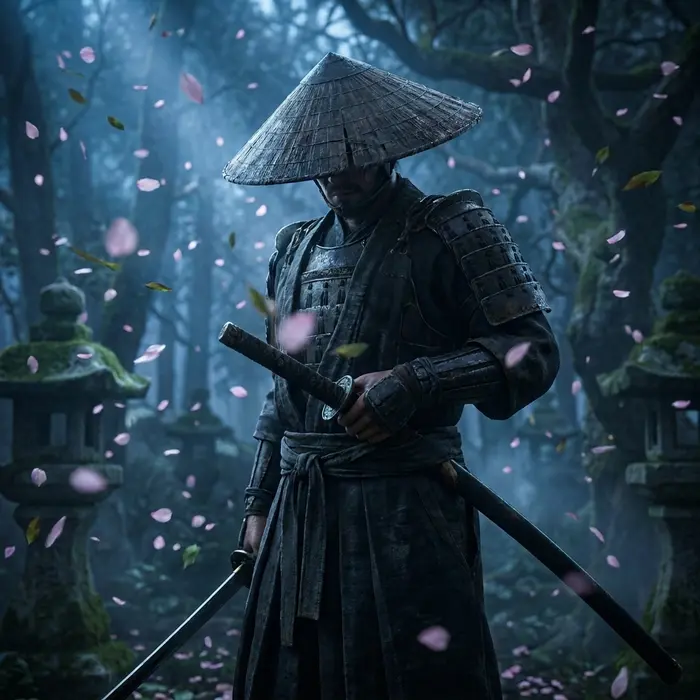
The first 5 episodes of Whispers of the Samurai are free. Unlock all other episodes with Premium.
Whispers of the Samurai has 205 episodes covering the people, places, events, ideas and objects of the era.
No. Every season is its own path, so you can start wherever you like.
iPhone, iPad and Android. Your progress is tied to your account and syncs across all your devices.


